









What's Happening?
On November 5, 2026, the Oregon Department of Energy (ODOE) released its 2026 Biennial Energy Report. This comprehensive report provides critical data and analysis concerning Oregon's energy consumption, production, costs, and emerging technologies. A
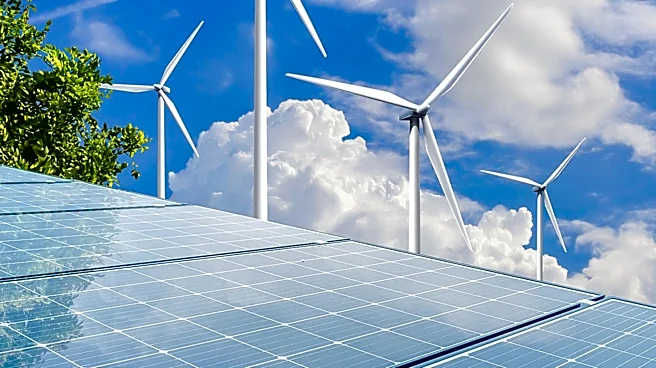
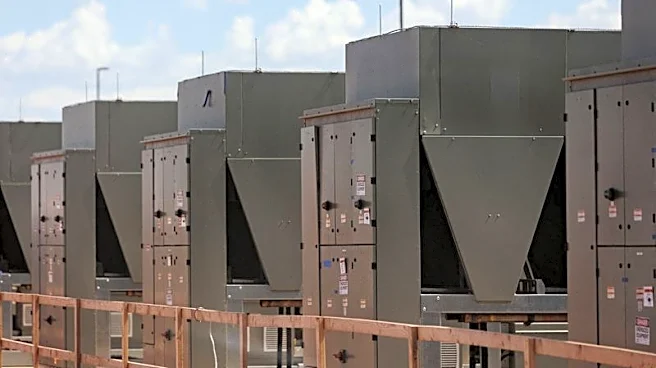
key finding of the report is Oregon's accelerating transition towards cleaner energy sources, occurring at a time when energy demand is experiencing its fastest growth in decades. This surge in demand is primarily attributed to the rapid development of data centers and significant industrial expansion within the state. The report also includes reviews of new clean energy technologies, foundational 'Energy 101s,' and detailed policy briefs. Topics covered were influenced by the 2025 Oregon Energy Strategy, addressing areas such as energy facility siting, community benefits frameworks, and grid reliability. Furthermore, the report examines the impact of data centers on Oregon's energy landscape and how shifts in federal leadership have affected energy and climate funding and policy.
Why It's Important?
The ODOE's 2026 Biennial Energy Report is crucial for understanding Oregon's energy trajectory and its implications for the state's economy and environment. The report highlights a significant challenge: balancing rapid energy demand growth, driven by sectors like data centers, with the imperative to transition to cleaner energy. This dynamic is important for U.S. industries, as Oregon's approach to managing this transition could serve as a model or cautionary tale for other states facing similar pressures. The focus on emerging clean energy technologies and policy briefs indicates a proactive stance towards sustainable development, which could attract green investments and foster innovation. However, the report also implicitly points to potential strains on infrastructure and resources if demand outpaces the development of clean energy solutions. Stakeholders in energy, technology, and manufacturing sectors stand to gain from the insights provided, as it outlines potential areas for investment, policy advocacy, and operational adjustments to align with Oregon's energy goals. The report's analysis of federal policy impacts also underscores the interconnectedness of state and national energy strategies.
What's Next?
The Oregon Department of Energy is actively sharing its 2026 Biennial Energy Report with state leaders, elected officials, energy stakeholders, and the public. The ODOE is inviting questions and feedback on the report and is offering presentations to interested organizations and community groups. This outreach suggests a concerted effort to engage various parties in discussions about Oregon's energy future and to gather input for potential policy adjustments or new initiatives. The report's exploration of opportunities, such as recycling materials from decommissioned solar and wind facilities, applying industrial symbiosis, expanding sustainable aviation fuels, and leveraging electric vehicle charging for grid support, indicates areas where future policy and investment might be directed. These discussions and potential actions could lead to new regulations, incentives for clean energy technologies, and infrastructure projects aimed at supporting the state's clean energy economy while managing growing demand. The ongoing dialogue will be critical in shaping Oregon's energy policies and investments in the coming years.
Beyond the Headlines
Beyond the immediate policy implications, Oregon's 2026 Biennial Energy Report touches upon deeper societal and environmental considerations. The rapid growth of data centers, while boosting the economy, raises questions about the environmental footprint of digital infrastructure and the ethical responsibility of tech companies in energy consumption. The report's emphasis on recycling clean energy materials and industrial symbiosis points to a broader shift towards a circular economy, aiming to minimize waste and maximize resource efficiency. This reflects a growing awareness of the full lifecycle impact of energy technologies. Furthermore, the push for sustainable aviation fuels and leveraging electric vehicles for grid support highlights the innovative approaches being considered to decarbonize hard-to-abate sectors and enhance grid resilience. These efforts signify a cultural and technological evolution in how energy is perceived and managed, moving beyond simple generation to integrated, sustainable systems that address climate change and resource scarcity. The report implicitly calls for a collective responsibility from industry, government, and citizens to adapt to a changing energy landscape.