




What's Happening?
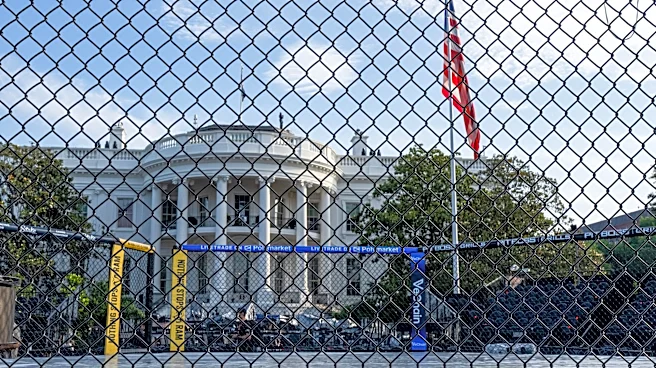
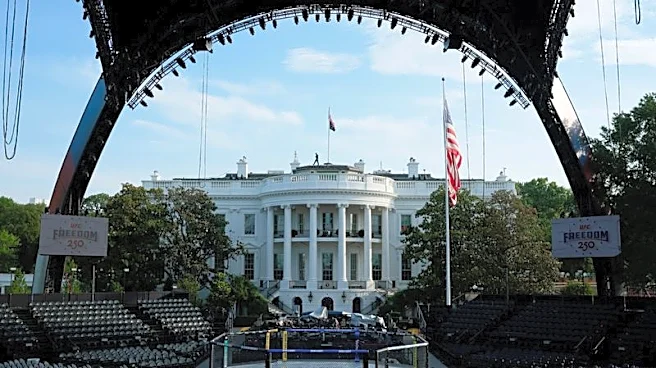
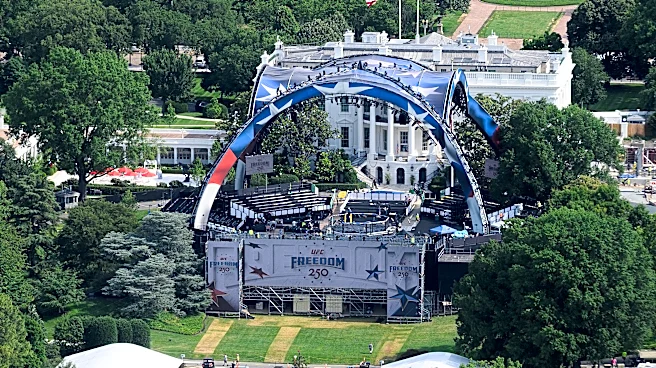
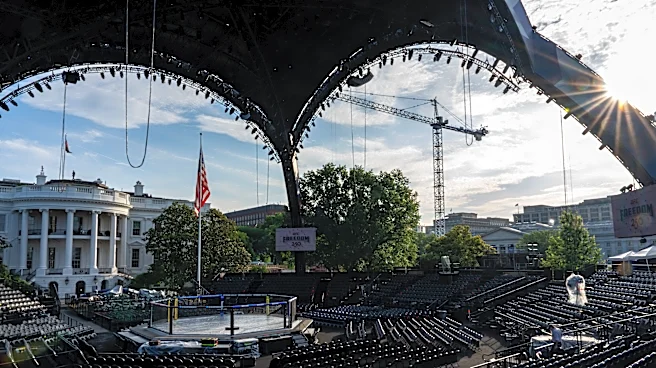
A federal judge has ruled that a UFC event can proceed on the White House's South Lawn this weekend, coinciding with President Donald Trump's 80th birthday and the nation's 250th anniversary celebrations. U.S. District Judge Amit Mehta dismissed a lawsuit
filed by the Public Integrity Project, which sought to block the event, citing a lack of legal standing and failure to demonstrate irreparable harm. The plaintiffs, including an activist and a Vietnam War veteran, argued that the event, featuring a large steel structure called The Claw, would cause aesthetic harm and was an inappropriate use of public grounds for a private, for-profit venture. The White House defended the event as a standard public forum activity, while the plaintiffs criticized it as a corrupt business opportunity benefiting a select few.
Why It's Important?
The ruling underscores ongoing debates about the use of public spaces for private events, especially those involving high-profile figures like President Trump. The decision highlights tensions between public interest groups and government actions perceived as favoring private enterprises. The event's approval may set a precedent for future uses of national landmarks for commercial purposes, raising questions about the balance between public access and private interests. Additionally, the involvement of UFC, a major sports organization, in a politically charged event could influence public perceptions of both the sport and the administration.
What's Next?
Following the event, the temporary structures, including The Claw, are scheduled for removal, minimizing long-term impacts on the White House grounds. However, the Public Integrity Project has indicated plans to continue challenging what it views as corrupt practices, potentially leading to further legal actions. The event may also prompt discussions among policymakers and the public about the appropriate use of national landmarks and the influence of private interests in government decisions.
Beyond the Headlines
The case highlights broader issues of governance and ethics, particularly the intersection of politics and business. It raises questions about the transparency and accountability of decisions involving public resources. The event's high-profile nature may also influence public discourse on the role of sports in political and cultural events, potentially affecting future collaborations between sports organizations and government entities.