




What's Happening?
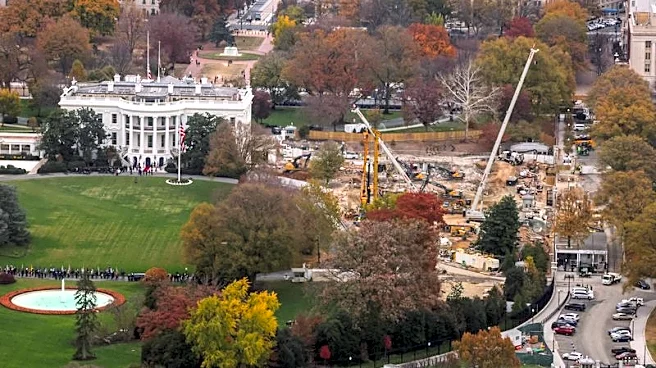
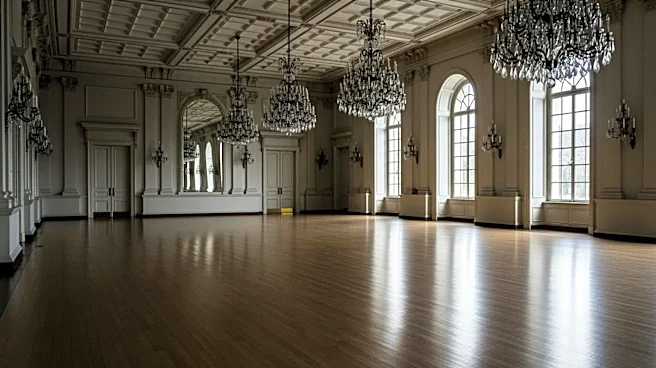
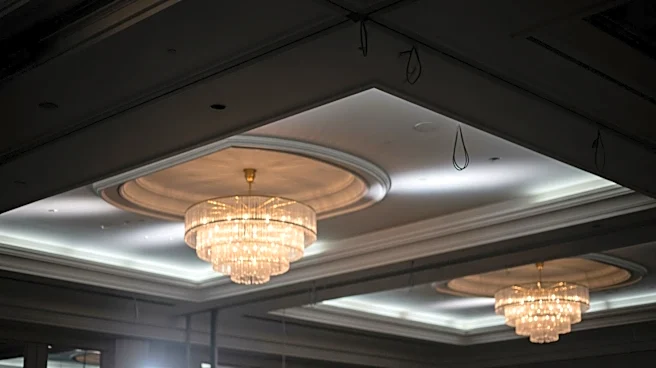
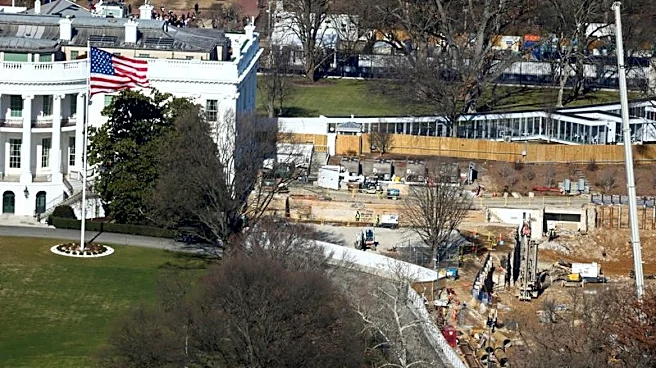
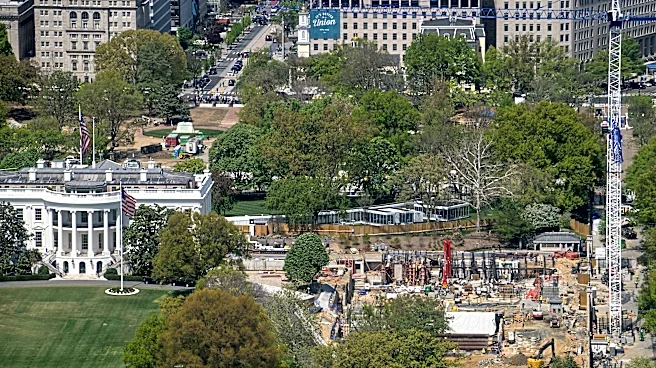
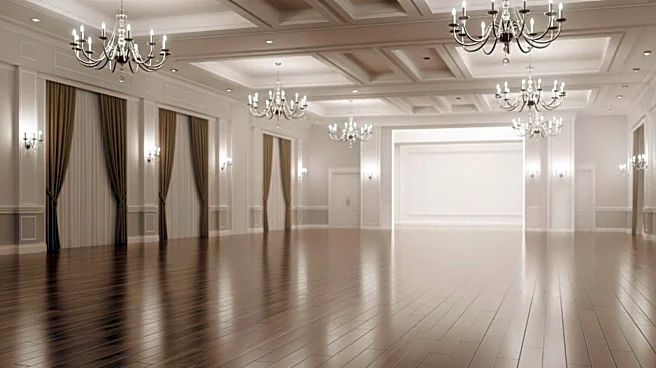
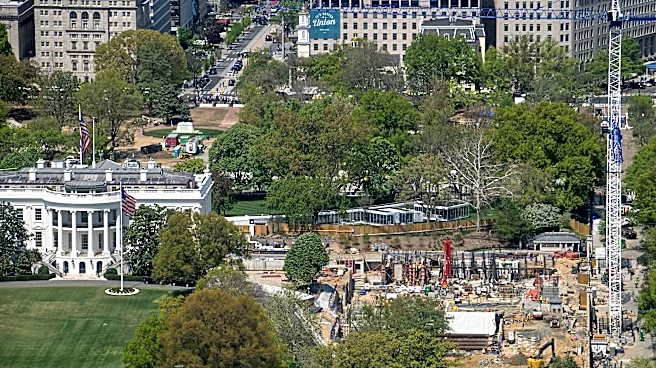
The U.S. Court of Appeals for the District of Columbia Circuit has temporarily allowed the continuation of President Trump's $400 million ballroom construction at the White House. This decision follows a lower court's ruling that blocked above-ground
construction on the site of the former East Wing. The appeals court's three-judge panel placed a temporary hold on the order by U.S. District Judge Richard Leon, who had previously halted the project. A hearing is set for June 5 to further review the case. The National Trust for Historic Preservation had filed a lawsuit, claiming that President Trump bypassed necessary approvals from federal agencies and Congress.
Why It's Important?
This legal development is significant as it touches on issues of historical preservation and the scope of presidential authority. The lawsuit by the National Trust for Historic Preservation underscores the tension between modernizing national landmarks and preserving their historical integrity. The case could have broader implications for how future presidential projects are managed and the role of federal oversight in such endeavors. The decision could influence the balance of power between the executive branch and regulatory bodies in the context of national heritage sites.
What's Next?
The upcoming hearing on June 5 will be pivotal in determining the project's fate. A ruling in favor of the National Trust for Historic Preservation could halt the construction or require additional approvals, while a decision supporting President Trump could reinforce the executive's ability to alter the White House complex. The outcome will be closely watched by preservationists, political figures, and legal experts, as it may set a precedent for future modifications to national landmarks.