





What's Happening?
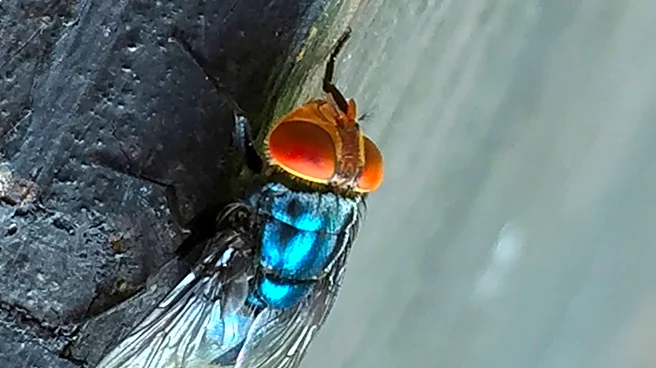
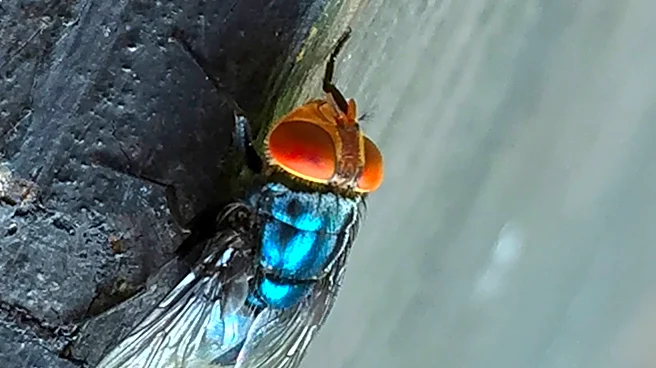
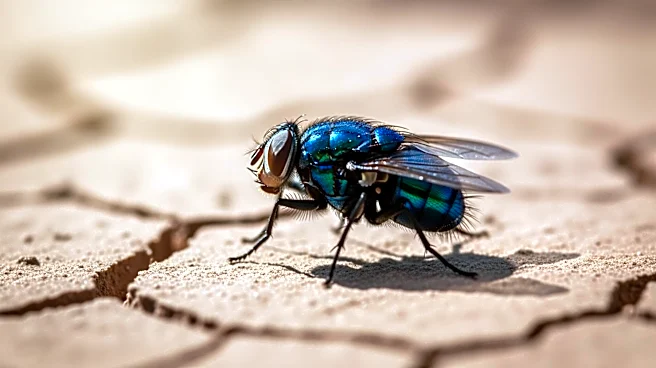
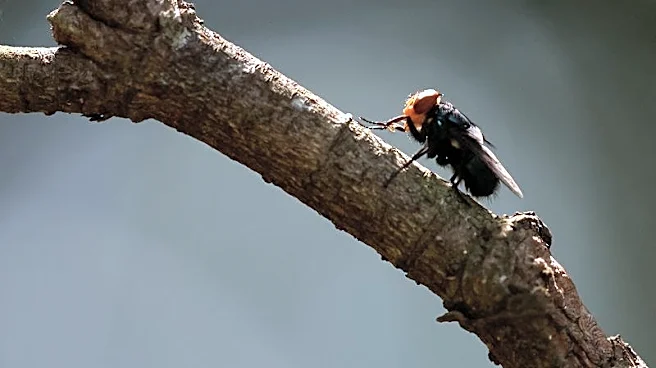
The United States Department of Agriculture (USDA) has reported a suspected case of the New World screwworm fly in South Texas. This insect is known for its parasitic larvae that can infest and cause severe damage to livestock and wildlife. The screwworm fly was
eradicated from the United States in the 1960s through a successful eradication program, but occasional cases have been reported in recent years. The USDA is currently investigating the situation to confirm the presence of the screwworm fly and assess the potential impact on local agriculture and wildlife. The agency is working closely with state and local authorities to monitor the situation and implement control measures if necessary.
Why It's Important?
The potential re-emergence of the New World screwworm fly in South Texas is significant due to its historical impact on agriculture and wildlife. The larvae of this fly can infest warm-blooded animals, leading to severe tissue damage and even death if not treated promptly. This poses a threat to the livestock industry, which is a critical component of the U.S. economy, particularly in states like Texas where cattle farming is prevalent. The reappearance of the screwworm fly could lead to increased costs for farmers and ranchers due to the need for additional veterinary care and preventive measures. Moreover, it could impact wildlife populations, leading to broader ecological consequences.
What's Next?
The USDA is expected to continue its investigation to confirm the presence of the screwworm fly and determine the extent of the infestation. If confirmed, the agency may implement measures such as releasing sterile flies to control the population, a method that was successfully used in the past to eradicate the pest. Local farmers and ranchers may be advised to increase surveillance of their livestock and report any suspicious cases to authorities. The situation will likely be closely monitored by agricultural and environmental organizations to prevent a widespread outbreak.