
What's Happening?
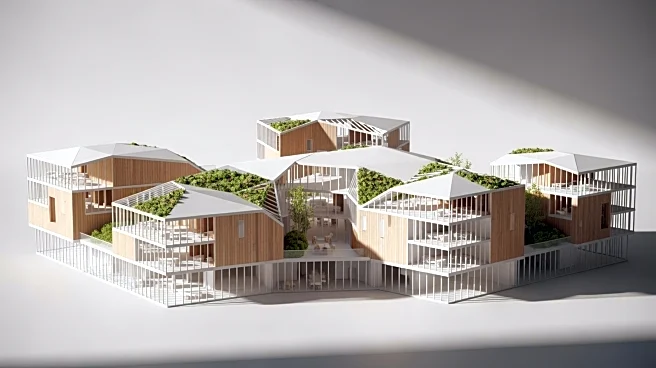
Architects and design experts are calling for innovative approaches in student housing to better meet the needs of college students. Key figures in the field, such as Elizabeth Lowrey and James Sink, emphasize
the importance of creating flexible spaces that can adapt over time and encourage social interaction among students. The experts suggest that living spaces should be designed to push students into communal areas, fostering a sense of community. Additionally, they advocate for involving a diverse range of inputs from the community and users to ensure that the housing projects align with the needs and preferences of students. The emphasis is on moving away from standardized, cookie-cutter solutions and instead focusing on designs that reflect how students actually live.
Why It's Important?
The push for innovative student housing designs is significant as it addresses the evolving needs of students and the educational institutions that serve them. By creating spaces that encourage interaction and community building, colleges can enhance the overall student experience, which is crucial for student retention and success. Furthermore, involving diverse perspectives in the design process ensures that the housing solutions are inclusive and cater to a wide range of student needs. This approach not only benefits students but also positions universities as forward-thinking institutions that prioritize student well-being and engagement.
What's Next?
As universities and developers consider these recommendations, the next steps involve integrating these innovative design principles into upcoming student housing projects. This may include pilot projects that test new design concepts and gather feedback from students and faculty. Additionally, there may be increased collaboration between architects, university administrators, and students to co-create living spaces that truly reflect the needs of the campus community. The success of these initiatives could lead to broader adoption of these design principles across other educational institutions.
Beyond the Headlines
The shift towards more innovative and inclusive student housing designs could have long-term implications for the architecture and construction industries. It may lead to new standards and best practices in designing educational facilities, influencing how future projects are approached. Moreover, this trend could inspire similar innovations in other types of communal living spaces, such as co-living arrangements and senior housing, where community interaction is also a priority.