




What's Happening?
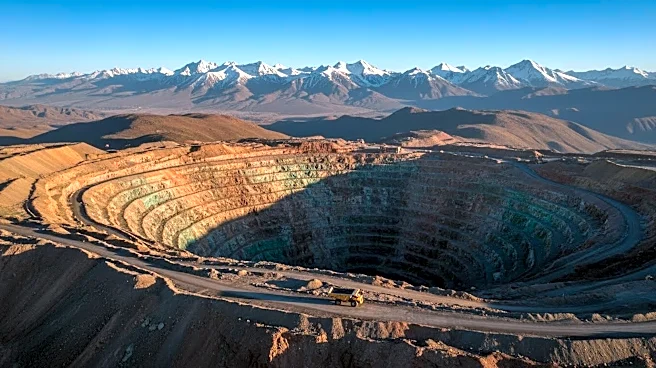
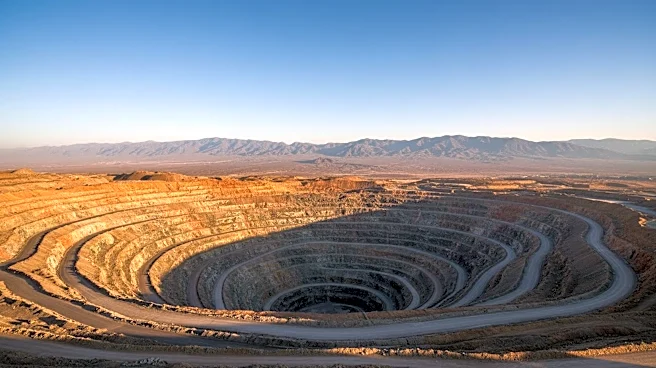
Chile's copper mining industry is on high alert as a severe winter storm is expected to bring heavy rainfall to key copper-producing regions. Economy and Mining Minister Daniel Mas has convened emergency talks with major mining companies such as Codelco,
Antofagasta Plc, and Teck Resources Ltd. to discuss contingency plans. The regulator Sernageomin has also activated its crisis committee to monitor potential risks, including landslides and mudslides. This storm poses a significant threat to mining operations, ports, and transport networks in a country that produces nearly a quarter of the world's mined copper. The industry is already facing challenges due to operational setbacks and declining ore quality, which require substantial investments to maintain production levels.
Why It's Important?
The impending storm could have significant implications for the global copper market, as Chile is a major supplier of this essential metal used in various industries, including electronics and renewable energy. Any disruption in Chilean copper production could exacerbate the current global supply constraints, potentially leading to increased prices. This situation underscores the vulnerability of global supply chains to environmental factors and highlights the need for robust contingency planning in critical industries. The outcome of these emergency talks and the effectiveness of the implemented measures will be crucial in mitigating the storm's impact on the copper supply and the broader economy.
What's Next?
As the storm approaches, mining companies and authorities will focus on implementing emergency protocols to safeguard workers and operations. The extent of the storm's impact will depend on its trajectory and the amount of rainfall in the main mining districts. Continuous monitoring and timely response will be essential to minimize disruptions. The industry will also need to assess the long-term implications of such weather events on production and infrastructure resilience. Stakeholders, including traders and policymakers, will be closely watching the situation to adjust strategies and policies accordingly.