




What's Happening?
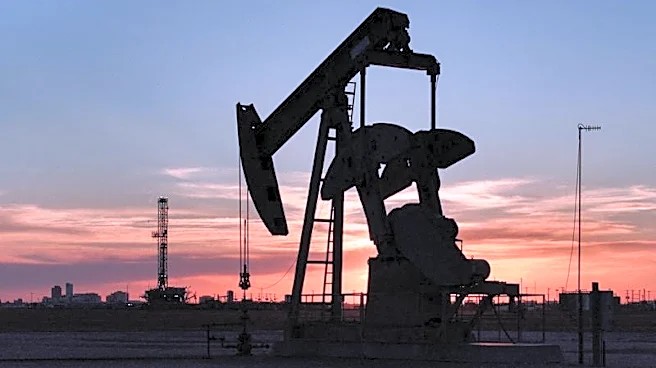
Iranian parliament speaker Mohammad Bagher Qalibaf has stated that Americans will soon feel nostalgic for $4-$5 gas prices following President Trump's announcement of a blockade of the Strait of Hormuz. This development comes as oil prices continue to
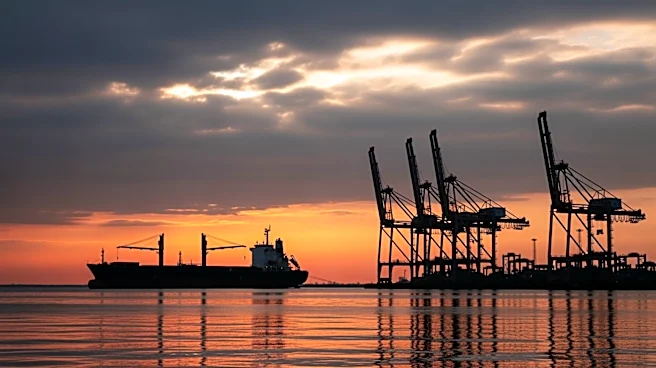
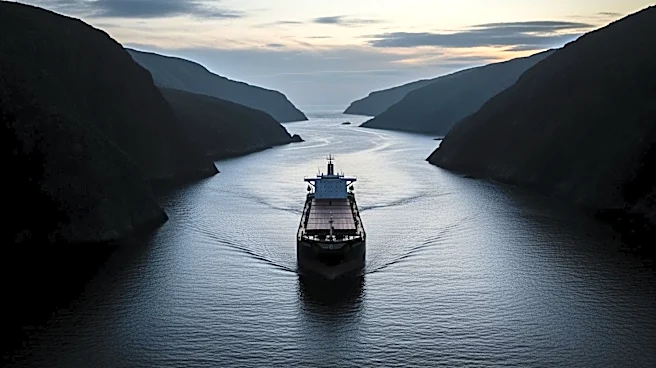
rise, contributing to inflationary pressures in the United States. The blockade is a response to escalating tensions between the U.S. and Iran, particularly after the collapse of peace talks. The Strait of Hormuz is a critical chokepoint for global oil shipments, and its blockade could significantly impact oil supply and prices worldwide.
Why It's Important?
The blockade of the Strait of Hormuz by the U.S. is a significant geopolitical move that could have far-reaching economic consequences. As a major passageway for oil transport, any disruption could lead to increased oil prices globally, exacerbating inflation in the U.S. and affecting consumers and industries reliant on oil. The situation underscores the fragile nature of international relations and the potential for economic instability stemming from geopolitical conflicts. Stakeholders in the energy sector, as well as policymakers, will need to navigate these challenges carefully to mitigate adverse impacts on the economy.
What's Next?
The U.S. blockade of the Strait of Hormuz is likely to provoke reactions from various international stakeholders, including oil-producing nations and global markets. Diplomatic efforts may intensify to resolve the tensions and prevent further escalation. Additionally, the U.S. government and energy companies may explore alternative strategies to stabilize oil supply and prices. Monitoring the situation closely will be crucial for businesses and consumers to adapt to potential changes in the energy market.