






What's Happening?
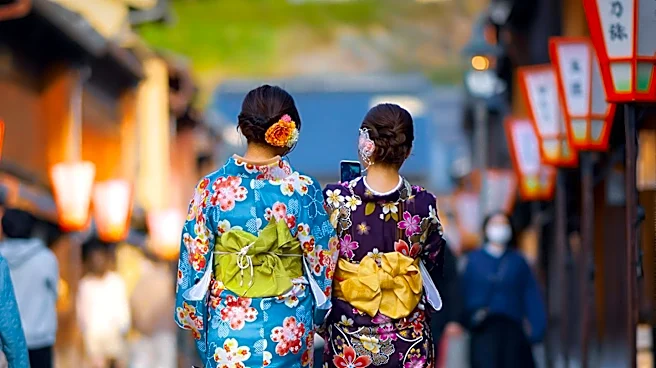
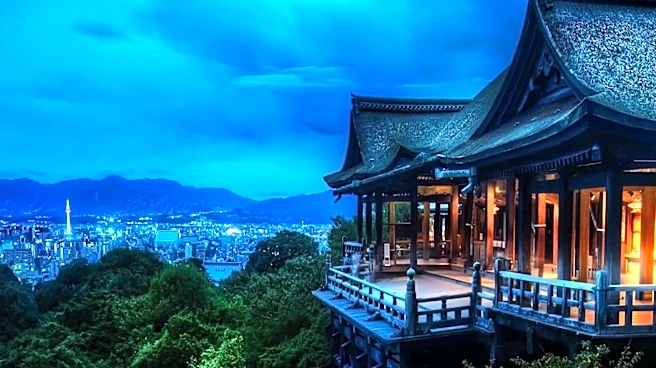
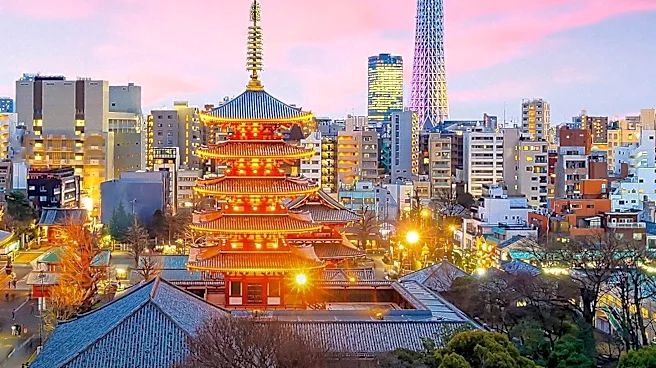
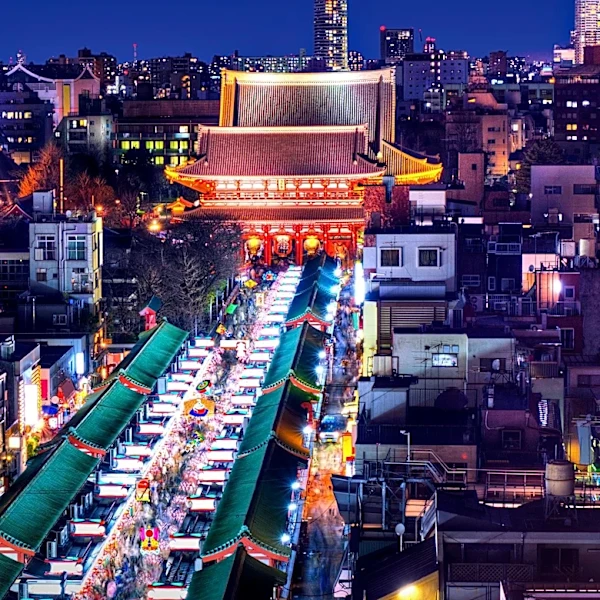
Tokyo, Japan, is characterized as a city where historical traditions seamlessly integrate with futuristic advancements. The urban landscape features a mix of modern skyscrapers and ancient temples, creating a vibrant and dynamic environment. The city is renowned
for its impressive skyline, illuminated by bright neon lights, particularly in bustling districts such as Shibuya Crossing and Tokyo Skytree. Visitors to Tokyo can expect a unique travel experience that combines traditional Japanese culture with cutting-edge innovation, offering memorable urban adventures. The city also boasts an efficient public transportation system, exceptionally clean streets, and advanced infrastructure, contributing to its reputation as a global hub. Key attractions include the iconic Shibuya Crossing, the towering Tokyo Skytree, the historic Senso-ji Temple, the serene Meiji Shrine, and the vibrant areas of Shinjuku and Shinjuku Gyoen. Tokyo is also a significant global center for fashion, shopping, and pop culture, with popular districts like Ginza, Harajuku, and Akihabara catering to diverse interests.
Why It's Important?
Tokyo's unique blend of tradition and modernity holds significant importance as it showcases a successful model of cultural preservation alongside rapid technological and urban development. This balance makes Tokyo a leading example for other global cities striving for sustainable growth while maintaining their unique heritage. The city's efficient public transportation and advanced infrastructure set a high standard for urban planning and can influence infrastructure development strategies worldwide, including in the U.S. Its status as a global center for fashion, shopping, and pop culture also impacts international trends and consumer markets, potentially influencing U.S. industries in retail, entertainment, and technology. The continuous influx of tourists and business travelers to Tokyo contributes to its economic vitality, demonstrating the economic benefits of a well-developed and culturally rich urban environment. This can offer insights for U.S. cities looking to boost tourism and economic growth through urban development and cultural offerings.
What's Next?
Tokyo is expected to continue its trajectory as a leading global city, further integrating technological advancements with its rich cultural heritage. Future developments may include continued innovation in urban infrastructure and public services, potentially setting new benchmarks for smart cities. The city's role as a trendsetter in fashion, pop culture, and technology is likely to expand, influencing global markets and consumer preferences. Efforts to enhance tourism experiences, possibly through new attractions or improved accessibility to historical sites, are also anticipated. Given its efficient public transport and clean environment, Tokyo may serve as a model for other major cities grappling with urbanization challenges. The ongoing evolution of districts like Shibuya and Shinjuku, coupled with the preservation of sites like Senso-ji Temple, indicates a sustained commitment to both progress and tradition. This dual focus will likely continue to attract international attention and investment.
Beyond the Headlines
Beyond its immediate appeal as a tourist destination, Tokyo's ability to harmonize ancient traditions with hyper-modernity presents a profound cultural and societal implication. This coexistence challenges the notion that modernization necessitates the abandonment of heritage, offering a compelling case study for cultural resilience in the face of rapid change. The city's emphasis on efficiency, cleanliness, and advanced infrastructure reflects a deep-seated societal value for order and collective well-being, which underpins its success. This cultural ethos extends to its technological adoption, where innovation often serves to enhance daily life and public services rather than solely for commercial gain. The vibrant pop culture scene, while seemingly superficial, often acts as a global ambassador for Japanese soft power, subtly influencing global youth culture and fostering international understanding. This blend of deep-rooted tradition and forward-thinking innovation creates a unique urban identity that is both globally influential and distinctly Japanese, offering lessons in cultural diplomacy and sustainable urban living.