





What's Happening?
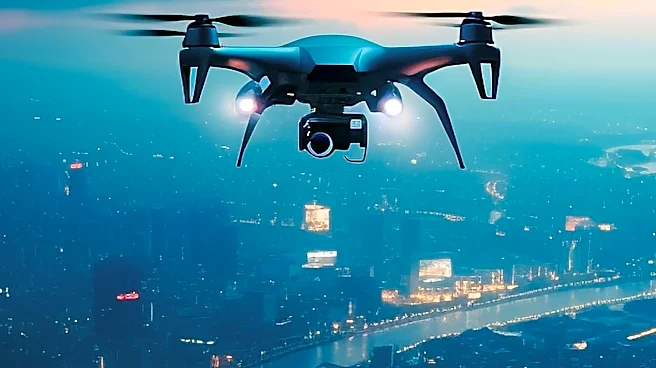
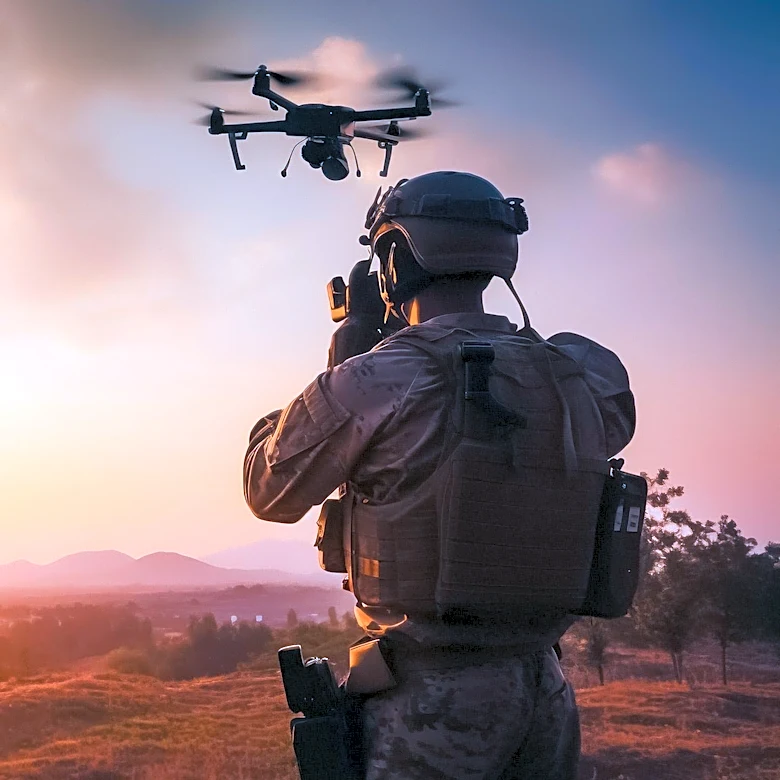
The West Valley City Police Department is evaluating a proposal for a one-year trial of a police drone program. This initiative involves a contract with Motorola Solutions to test three distinct types of drones. One drone model is designed for direct
dispatch to incident calls, providing an aerial view before officers arrive. Another type would be carried by trained officers for on-site deployment. The third, smaller drone is intended for indoor use in specialized situations, such as SWAT operations. City officials have emphasized that the primary purpose of these drones is response, not surveillance. Police Chief Colleen Jacobs clarified that drones dispatched to calls would maintain an upward-facing camera during transit and only descend upon reaching the scene. The proposed trial period would incur no cost to West Valley City. However, continuing the program after the trial would cost approximately $175,000, with subscriptions renewed over a five-year period. The department aims to enhance officer safety and situational awareness through this technology.
Why It's Important?
The potential implementation of a police drone program in West Valley City signifies a growing trend in law enforcement agencies adopting advanced technology to aid in public safety. This move could significantly alter police response protocols, offering officers critical visual information about a scene before they physically enter, thereby potentially reducing risks to both officers and the public. The distinction between 'response' and 'surveillance' drones is crucial, as it addresses privacy concerns often associated with drone technology. If successful, this trial could serve as a model for other municipalities considering similar programs, influencing how police departments across the U.S. integrate drones into their operations. The cost implications post-trial also highlight the financial commitments cities face when adopting new technologies, impacting budget allocations for public services. The program's success or failure could influence public perception of drone use by law enforcement, shaping future policy debates on privacy versus security.
What's Next?
West Valley City officials will continue to deliberate on the proposed one-year trial of the police drone program. The city council will likely review the terms of the contract with Motorola Solutions and consider public feedback regarding the initiative. If approved, the West Valley City Police Department will proceed with training officers on the operation and deployment of the three drone types. During the trial period, data will be collected on the effectiveness of the drones in various scenarios, their impact on officer safety, and community reception. At the conclusion of the year-long trial, city officials will evaluate the program's overall success and decide whether to allocate the necessary funds to continue it. This decision will involve assessing the program's benefits against its costs and any ongoing public concerns. The outcome of this trial could influence future technology procurement decisions for the department and potentially set a precedent for other police forces in the region.
Beyond the Headlines
The discussion around West Valley City's drone program extends beyond immediate operational benefits, touching upon broader societal implications regarding privacy, technology, and policing. While officials stress the drones are for 'response' rather than 'surveillance,' the distinction can be nuanced in practice, raising questions about data retention, access, and potential mission creep. The use of indoor drones, even in legally permissible situations like warrant execution, introduces new ethical considerations about the level of technological intrusion into private spaces. Public trust will be a critical factor; transparency in how these drones are used, the data they collect, and the safeguards in place to prevent misuse will be essential for community acceptance. This initiative also highlights the evolving nature of law enforcement, where technology increasingly plays a central role, prompting ongoing debates about the balance between security enhancements and civil liberties in an increasingly digital world.