







What's Happening?
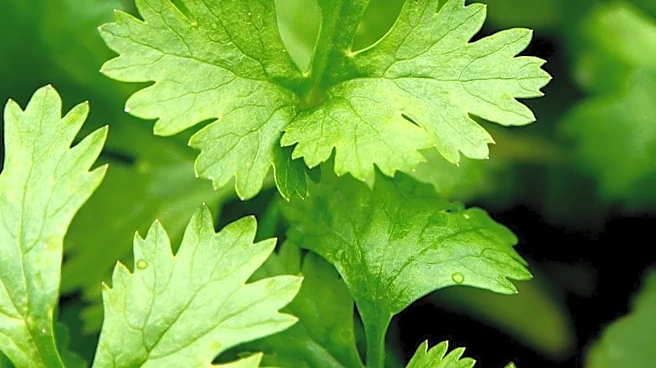
A 2016 study published in Folia Horticulturae investigated the impact of companion planting on carrot pest control. The research, conducted over two growing seasons, found that growing carrots alongside coriander or summer savory significantly reduced
the number of roots damaged by the carrot rust fly compared to carrots grown alone. Specifically, summer savory demonstrated the lowest rust-fly damage in the experiment. The study also noted reductions in other pests, with plots containing coriander supporting higher numbers of beneficial insects like ladybirds and hoverflies, which are known for biological pest control. While these findings are encouraging, the study emphasizes that the results reflect particular field arrangements and suggests that for home gardens, a small strip of cilantro or summer savory along the carrot bed might be more practical than expecting an isolated herb to provide reliable protection. Other plants like sweet alyssum and nasturtiums were also mentioned for their potential benefits, such as attracting beneficial insects or providing edible flowers, though direct improvements in carrot yields were not established.
Why It's Important?
This research is important for U.S. gardeners and agricultural practices as it provides scientific backing for certain companion planting techniques, offering a potentially more sustainable and environmentally friendly approach to pest management. Reducing reliance on chemical pesticides can lead to healthier ecosystems, safer food production, and decreased environmental impact. For home gardeners, these findings offer practical strategies to protect their carrot crops, potentially leading to higher yields and better quality produce without the need for synthetic interventions. Commercial growers might also explore these methods to reduce pest damage, which could translate into economic benefits through lower input costs and improved crop marketability. The study's focus on specific pest reduction, rather than general claims of improved flavor or growth, highlights a more rigorous approach to understanding plant interactions and their practical applications in agriculture.
What's Next?
Further research could explore the optimal planting densities and arrangements of coriander and summer savory to maximize their pest-deterring effects in various growing conditions and scales, from home gardens to larger agricultural operations. Gardeners can experiment with these companion planting strategies in their own plots, observing the results and adapting techniques based on their specific environments. Educational initiatives could also promote these findings to encourage broader adoption of biological pest control methods. Additionally, investigating the mechanisms by which these companion plants deter pests and attract beneficial insects could lead to the development of new, targeted pest management solutions. The findings also open avenues for exploring other plant combinations that might offer similar benefits against a wider range of agricultural pests.
Beyond the Headlines
The study's findings contribute to a growing body of evidence supporting ecological approaches to agriculture, moving beyond conventional methods that often rely heavily on synthetic inputs. This shift has broader implications for food security, biodiversity, and public health. By understanding and leveraging natural plant interactions, we can foster more resilient and sustainable food systems. The emphasis on beneficial insects also underscores the importance of maintaining healthy pollinator populations and diverse ecosystems within agricultural landscapes. This research encourages a holistic view of gardening and farming, where the interconnectedness of plants, insects, and soil health is recognized as fundamental to successful cultivation. It also challenges traditional gardening advice by providing evidence-based recommendations, promoting a more scientific approach to horticultural practices.