


What's Happening?
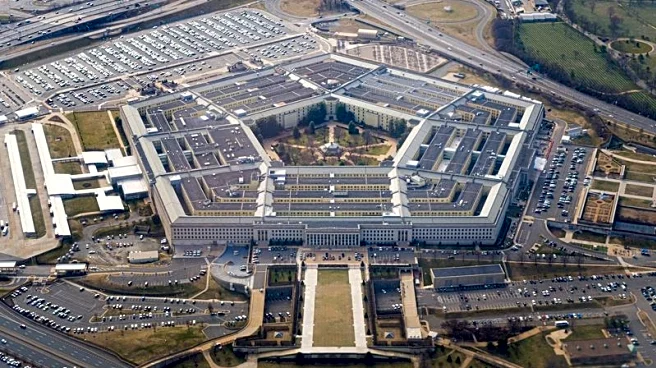
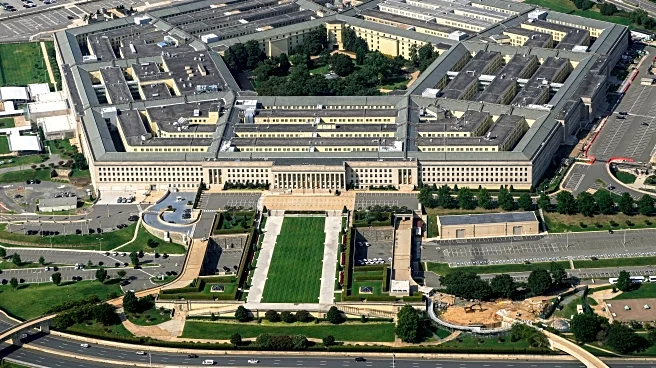
The New York Times has filed a lawsuit against the Department of Defense, challenging a new press policy that restricts journalists' access to the Pentagon. The policy, implemented by Secretary of Defense Pete Hegseth, requires journalists to obtain approval
for reporting and allows the Pentagon to revoke press credentials at its discretion. This has led to most major news organizations, including MS NOW, surrendering their credentials in protest. The policy is seen as a direct attack on the First Amendment, limiting journalists' ability to report on military operations and interact with Pentagon officials. The lawsuit argues that these restrictions are unconstitutional and hinder the press's role in holding the government accountable.
Why It's Important?
This legal battle underscores the ongoing tension between national security and press freedom. The Pentagon's policy could set a precedent for how government agencies control media access, potentially stifling investigative journalism and limiting public knowledge of military actions. The outcome of this case could have far-reaching implications for press freedom in the U.S., affecting how journalists cover government institutions and report on issues of public interest. The case also highlights the importance of maintaining a free and independent press as a check on government power, especially in matters of national security.
What's Next?
A federal judge is set to hear arguments in the lawsuit, which could lead to a ruling on the constitutionality of the Pentagon's press policy. If the court sides with The New York Times, it may result in the reinstatement of press credentials and a rollback of the restrictive measures. The case could also prompt a broader discussion on the balance between security and transparency, potentially influencing future policies on media access to government facilities. The decision will be closely watched by media organizations, legal experts, and civil rights advocates.