


What's Happening?
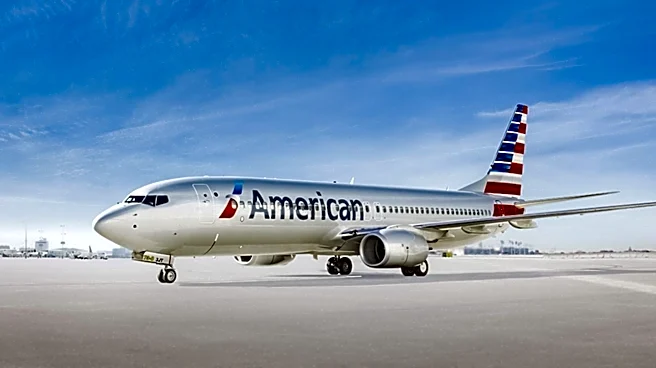
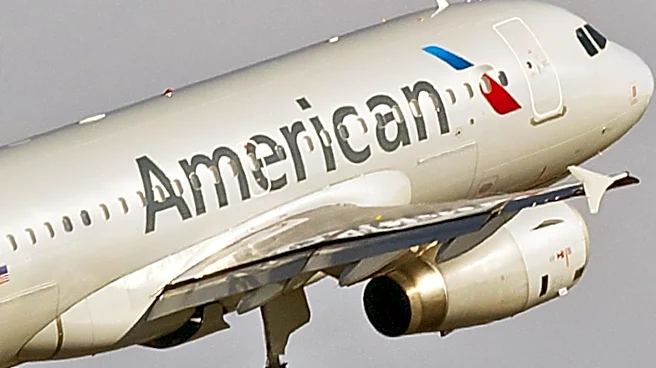
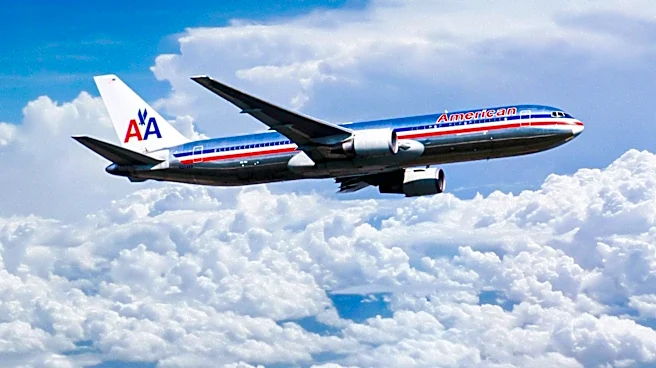
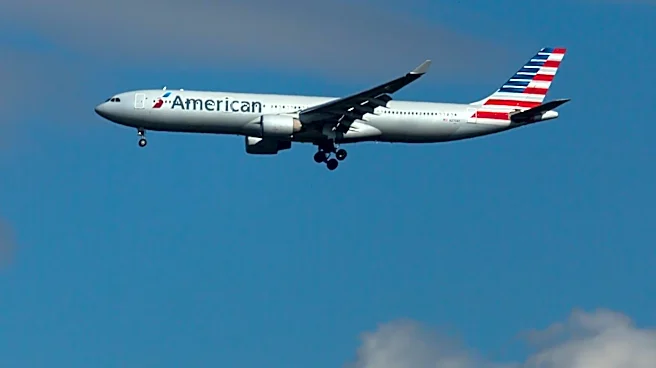
An American Airlines flight, AA37, traveling from Madrid to Dallas-Fort Worth, was forced to divert to New York's John F. Kennedy International Airport (JFK) on October 6 due to a significant issue with its lavatories. Six of the aircraft's eight lavatories became
inoperable during the transatlantic flight, leaving only two functional for the 275 passengers and 12 crew members on board. The pilot communicated the problem to air traffic control, confirming the limited restroom availability. The Boeing 777 landed safely at JFK, where it underwent a maintenance inspection to address the plumbing issues. Following the inspection and necessary repairs, the flight eventually continued its journey to Dallas. An American Airlines spokesperson confirmed the diversion, citing an 'issue with the aircraft's lavatories,' and apologized for the disruption to customers' travel plans. Aviation experts noted that passenger comfort and hygiene heavily influenced the pilot's decision to divert, especially on an international flight requiring customs and immigration services at the diversion airport.
Why It's Important?
This incident highlights the critical importance of onboard facilities for long-haul flights and the operational challenges airlines face when such systems fail. The diversion of an international flight due to lavatory issues can lead to significant logistical complications, including schedule disruptions, increased operational costs for the airline, and inconvenience for hundreds of passengers. For passengers, the lack of adequate lavatories on a transatlantic flight poses not only a comfort issue but also potential health and safety concerns, as prolonged lines can create security protocol problems and safety risks if seatbelt signs are illuminated. The need for a diversion to a U.S. gateway airport with customs and immigration services further underscores the complexity of international air travel protocols, impacting flight paths and ground operations. Such events can also draw public attention to aircraft maintenance standards and passenger welfare policies within the airline industry.
What's Next?
Following the maintenance inspection at JFK, the aircraft was cleared to continue its journey to Dallas-Fort Worth. American Airlines will likely conduct a thorough internal review to determine the root cause of the lavatory malfunction to prevent similar occurrences in the future. This could involve detailed checks of the aircraft's plumbing systems, maintenance records, and operational procedures. Passengers affected by the diversion may receive compensation or other forms of redress from American Airlines for the inconvenience and delay experienced. The incident may also prompt broader discussions within the aviation industry regarding contingency plans for critical onboard system failures on long-haul flights and the criteria for diverting flights based on passenger comfort and hygiene issues. Regulatory bodies like the FAA may also monitor the airline's response and any subsequent actions taken to ensure compliance with safety and operational standards.
Beyond the Headlines
Beyond the immediate inconvenience, this incident touches upon the broader implications of aircraft reliability and passenger experience in modern air travel. While often overlooked, the functionality of basic amenities like lavatories is crucial for maintaining passenger comfort and well-being, especially on extended international journeys. The event underscores the intricate balance airlines must strike between operational efficiency, cost management, and passenger satisfaction. It also subtly highlights the aging infrastructure of some aircraft fleets, where components can fail unexpectedly despite routine maintenance. For the airline industry, such incidents serve as reminders that even seemingly minor mechanical failures can have cascading effects, leading to significant operational disruptions and reputational challenges. The public's reaction, often amplified through social media, can also influence how airlines address and communicate about such service interruptions, pushing for greater transparency and proactive solutions.