





What's Happening?
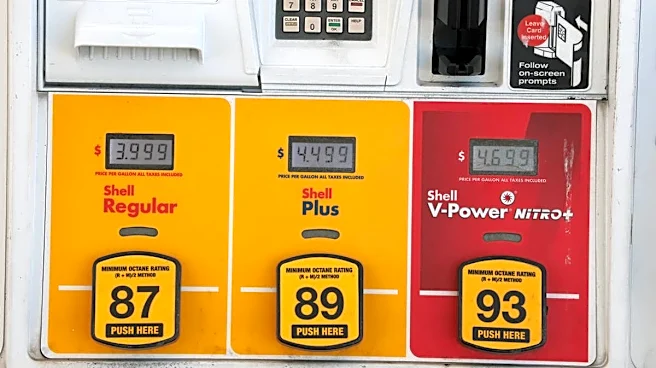
The Bank of Ireland has issued a warning about an impending 'unwelcome squeeze' on household finances due to rising oil prices, a consequence of the ongoing conflict between the United States and Iran. This development is expected to exacerbate the cost
of living for Irish families as energy prices continue to climb. The situation is part of a broader economic impact stemming from the Middle East conflict, which has already led to significant fluctuations in global oil markets. The bank's forecast highlights the potential for further energy price hikes, which could place additional financial strain on households already dealing with inflationary pressures.
Why It's Important?
The rising cost of living, driven by increased energy prices, poses a significant challenge for households, potentially reducing disposable income and affecting consumer spending. This situation could have broader economic implications, including slowing economic growth and increasing financial stress for families. The conflict-induced volatility in oil prices underscores the interconnectedness of global events and their direct impact on domestic economies. For policymakers, this situation may necessitate interventions to mitigate the financial burden on households, such as subsidies or tax relief measures. Additionally, businesses reliant on energy-intensive operations may face increased operational costs, potentially leading to higher prices for goods and services.
What's Next?
As the conflict between the US and Iran continues, further developments in the geopolitical landscape could influence oil prices and, consequently, the cost of living. Policymakers and economic stakeholders will likely monitor the situation closely, considering potential measures to alleviate the financial impact on households. The Bank of Ireland and other financial institutions may also adjust their forecasts and strategies in response to ongoing changes in the global energy market. Additionally, there may be increased calls for energy diversification and investment in renewable energy sources to reduce dependency on volatile oil markets.