







What's Happening?
A recent report highlights the increasing dangers faced by immigrants crossing the US-Mexico border, particularly due to extreme heat conditions. Following the tragic deaths of six individuals in a railway car in Laredo, Texas, experts are raising alarms
about the lethal summer heat that immigrants encounter. The victims, ranging from 14 to 56 years old, were from Mexico and Honduras, and their deaths are attributed to hyperthermia. This incident underscores the perilous conditions immigrants face, exacerbated by climate change, which acts as a 'threat multiplier' in Central America, driving more people to migrate. Humanitarian organizations like Humane Borders and No More Deaths are actively working to mitigate these risks by providing water stations and educating the public about the dangers of border crossings.
Why It's Important?
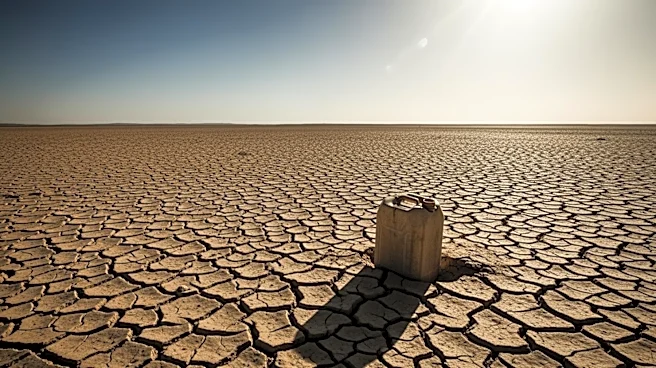
The situation at the US-Mexico border is a critical humanitarian issue, with extreme heat posing a significant threat to the lives of immigrants. The rising temperatures, often reaching 118°F in areas like the Sonoran desert, increase the risk of heat-related deaths. This crisis is compounded by climate change, which intensifies poverty and food insecurity in Central America, pushing more people to migrate despite the dangers. The US border policy of 'prevention through deterrence' forces immigrants into more hazardous routes, leading to higher mortality rates. This ongoing issue highlights the need for comprehensive immigration reform and climate action to address the root causes of migration and ensure the safety of those seeking a better life.
What's Next?
As summer approaches, humanitarian groups are preparing for an increase in heat-related incidents at the border. Organizations are ramping up efforts to provide aid and raise awareness about the dangers of crossing in extreme heat. Meanwhile, the US government faces pressure to address the humanitarian crisis and reconsider border policies that exacerbate the risks for immigrants. The ongoing impact of climate change on migration patterns will likely continue to be a focal point for policymakers and activists advocating for more sustainable and humane solutions.
Beyond the Headlines
The broader implications of this issue extend beyond immediate humanitarian concerns. The intersection of climate change and immigration highlights the need for global cooperation in addressing environmental and social challenges. The situation at the border serves as a stark reminder of the interconnectedness of climate policy and human rights, emphasizing the importance of international efforts to mitigate climate impacts and support vulnerable populations. Additionally, the ethical considerations of border enforcement practices and their impact on human lives call for a reevaluation of current strategies to ensure they align with humanitarian principles.