







What's Happening?
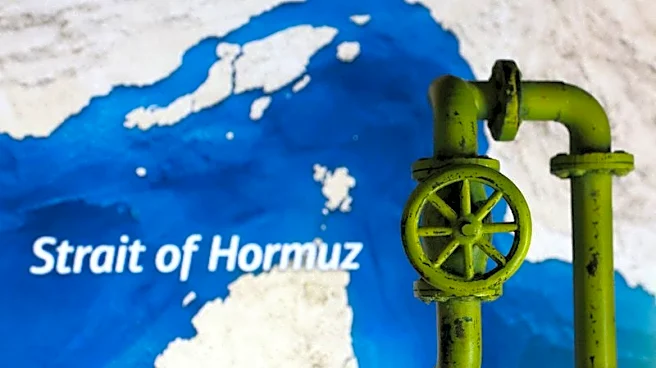
NATO is experiencing internal tensions as European allies resist President Trump's push for involvement in the Iran conflict. The situation has been exacerbated by Trump's threats to withdraw from NATO, which have not been met with the usual appeasement
from European nations. Instead, countries like France, Spain, and Italy are refusing to allow U.S. military aircraft to use their bases for the conflict. This resistance is partly due to the ongoing war in Ukraine, which has already strained resources and heightened concerns over energy prices. European leaders, including French President Emmanuel Macron, have criticized the U.S. for acting unilaterally in the Middle East, suggesting that the U.S. is seeking a bailout from its allies.
Why It's Important?
The resistance from European allies highlights a significant shift in transatlantic relations, with potential implications for NATO's future cohesion. The reluctance to support U.S. actions in Iran could weaken the alliance's unified front, which is crucial for deterring threats from adversaries like Russia. Additionally, the situation underscores the broader geopolitical challenges facing the U.S., as it navigates complex relationships with both European allies and Middle Eastern partners. The outcome of this tension could influence future U.S. foreign policy and its ability to lead international coalitions.
What's Next?
The ongoing tensions may lead to further diplomatic efforts to reconcile differences within NATO. European countries are likely to continue advocating for a more multilateral approach to international conflicts, emphasizing the need for consultation and cooperation. The U.S. may need to reassess its strategy in the Middle East to maintain alliance support. Additionally, the situation could prompt discussions within NATO about the alliance's role and responsibilities in global conflicts, potentially leading to reforms in decision-making processes.