





What's Happening?
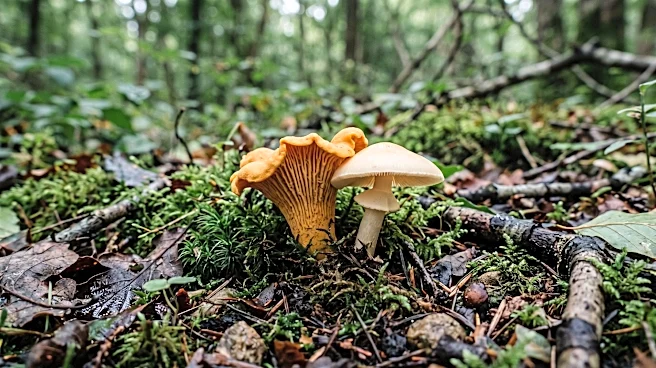
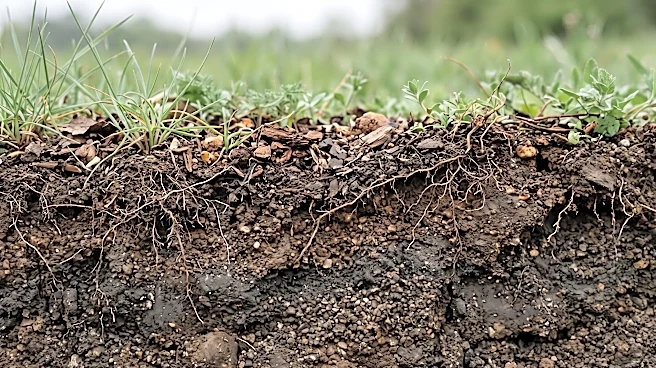
Frank Ashwood, author of 'The World Beneath Our Feet: The Hidden Life of Soil and Why It Matters to Us All,' highlights the profound importance of soil biodiversity for human survival. Ashwood, a soil ecologist, explains that approximately 60% of Earth's
biodiversity resides in the soil, driving essential cycles like carbon and nutrient cycling that enable plant growth. He stresses that 95% of human food originates from soil, and many life-saving medicines, such as antibiotics, come from soil microorganisms. Ashwood criticizes intensive agricultural practices that deplete soil life through methods like fumigation and tilling, arguing that these approaches stunt ecological succession and lead to dependence on artificial inputs. He points to historical events like the Dust Bowl in the U.S. as stark examples of the consequences of failing to maintain soil health. The discussion also touches on the debate surrounding organic versus regenerative agriculture, with Ashwood noting the lack of a clear definition for 'regenerative' which can lead to misuse by large corporations.
Why It's Important?
The insights from Frank Ashwood underscore a critical, often overlooked, aspect of environmental and agricultural sustainability in the U.S. and globally. The depletion of soil biodiversity directly threatens food security, as healthy soil is fundamental to crop production. The reliance on artificial fertilizers and pesticides, a common practice in intensive agriculture, creates a vicious cycle that further degrades soil, making it less resilient to environmental stresses like drought and erosion. This has significant economic implications for farmers, increasing input costs and potentially reducing long-term productivity. For consumers, the degradation of soil health could impact the nutritional quality of food and the availability of essential medicines derived from soil organisms. Ashwood's call for increased awareness and policy changes regarding soil protection is vital for ensuring the long-term viability of agricultural systems and mitigating the broader impacts of climate change, as soil acts as a major carbon sink.
What's Next?
Ashwood advocates for greater public and political engagement in soil protection. He hopes his book will inspire individuals to engage with local policymakers and demand serious consideration for soil health in national and international regulations. The recent EU soil law, while a step forward, still lacks mandatory biological health monitoring, indicating a gap in current policy approaches. There is a growing movement around regenerative agriculture, with festivals and communities forming to share sustainable practices. However, the lack of a standardized definition for 'regenerative agriculture' remains a challenge, making it susceptible to exploitation by entities not genuinely committed to its principles. Future efforts will likely focus on establishing clear definitions and regulatory frameworks to ensure that sustainable soil management practices are widely adopted and effectively monitored, potentially drawing parallels with the impact of Rachel Carson's 'Silent Spring' on pesticide regulation.
Beyond the Headlines
The discussion extends beyond immediate agricultural practices to highlight deeper ethical and systemic issues. The debate between maximizing yield through intensive methods versus prioritizing soil health and biodiversity reflects a fundamental tension between short-term economic gains and long-term ecological sustainability. Ashwood's work implicitly challenges the anthropocentric view of nature, emphasizing that human well-being is inextricably linked to the health of the unseen world beneath our feet. The comparison to 'Silent Spring' suggests that a paradigm shift in public perception and policy is needed to address the 'silent crisis' of soil degradation. This involves not only scientific understanding but also a cultural re-evaluation of our relationship with natural resources, moving towards a more holistic and respectful stewardship of the environment. The potential loss of unknown species in the soil also represents a loss of potential chemical and medical resources, highlighting the unforeseen consequences of biodiversity decline.