






What's Happening?
A Salmonella outbreak associated with pet turtles has significantly expanded, with the Centers for Disease Control and Prevention (CDC) now reporting 20 cases across 12 states, an increase from the initial eight cases in six states. Five individuals have
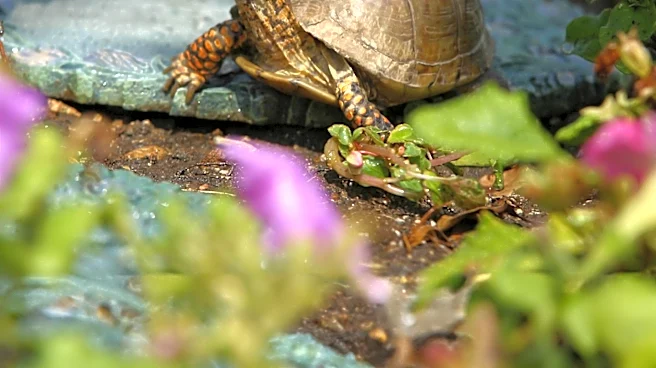
been hospitalized due to the illness. The CDC's update on September 18 indicated 12 new cases, six additional states, and two new hospitalizations. A notable aspect of this outbreak is its disproportionate impact on young children, with half of the affected individuals being under the age of five, and 20% being one year old or younger. Illnesses began between June 6 and August 22, with patients ranging from under one year to 36 years old. The Salmonella strain identified is Paratyphi B variant L(+) tartrate+, and whole genome sequencing confirmed the genetic relatedness of bacteria from patients, showing no predicted resistance to antibiotics. The outbreak highlights the ongoing risk associated with pet turtles, particularly those with shells less than four inches long, which are illegally sold as pets despite a 1975 federal ban.
Why It's Important?
This expanded Salmonella outbreak underscores significant public health concerns, particularly for vulnerable populations like young children. The fact that half of the cases involve children under five years old highlights the heightened risk in households with babies and preschoolers, who are more susceptible to severe illness due to their tendency to touch surfaces and put hands in their mouths. The persistence of illnesses into late summer indicates that the risk from pet turtles, whether existing in homes or acquired as gifts, remains high. The illegal sale of small turtles, despite a decades-old federal ban, contributes to this public health challenge, as these smaller turtles are a known source of Salmonella. The outbreak also brings attention to the broader issue of food safety and animal-borne diseases, emphasizing the need for public awareness regarding the safe handling of pets and the potential for zoonotic transmission. The lack of a common supplier identified so far suggests a widespread issue rather than an isolated incident, making prevention and public education crucial.
What's Next?
The CDC's investigation into the Salmonella outbreak linked to pet turtles remains open, and further updates on case counts or the identification of a common turtle source are anticipated. Families, especially those with young children, are advised to take specific preventive measures, including thorough handwashing after touching turtles or their habitats, supervising children's handwashing, and keeping turtles out of food preparation areas. The CDC explicitly recommends against pet turtles for children younger than five, adults 65 and older, or individuals with weakened immune systems. For those who own turtles, the agency suggests cleaning tanks outdoors or in designated sinks that are disinfected afterward. The continued illegal sale of small turtles necessitates ongoing efforts from regulatory bodies to enforce the 1975 federal ban. Public health campaigns may be intensified to educate consumers about the risks associated with pet turtles and the importance of purchasing them from reputable sources, while also advising against releasing unwanted pet turtles into the wild.
Beyond the Headlines
The ongoing Salmonella outbreak linked to pet turtles reveals deeper societal and regulatory challenges. The persistent illegal trade of small turtles, despite a federal ban in place since 1975, highlights a significant enforcement gap and a thriving black market for these animals. This situation raises ethical questions about animal welfare and the responsibility of sellers, as well as the broader implications for public health when regulations are not effectively upheld. The disproportionate impact on young children also brings to light the need for more targeted public health messaging and educational campaigns, especially for new parents and caregivers, about the hidden dangers of seemingly innocuous pets. Furthermore, the outbreak underscores the complex interplay between human health, animal trade, and environmental factors, suggesting a need for a more integrated 'One Health' approach to disease prevention that considers the health of people, animals, and their shared environment. The long-term shift could involve stricter regulations on pet sales and increased public awareness campaigns to mitigate such risks.