





What's Happening?
Wisconsin law enforcement officials are preparing to release new information regarding claims made by Summer Sundas 'Sunny' Naqvi, a woman from Skokie, Illinois, who alleges she was detained by U.S. immigration officials for nearly 48 hours across multiple
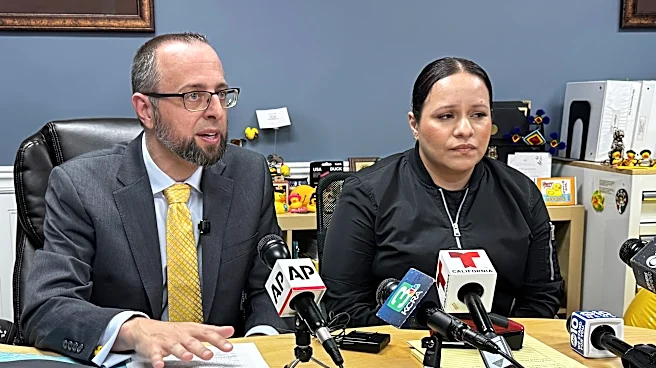
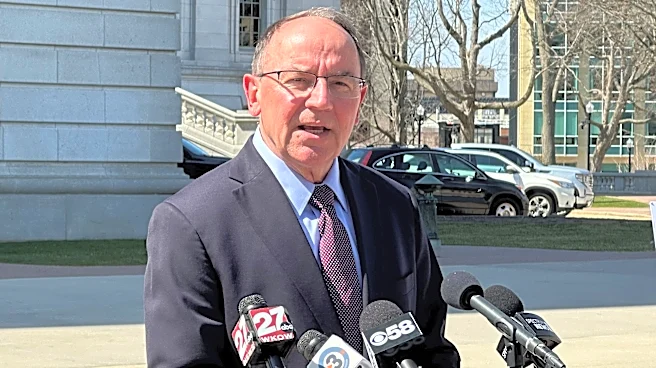
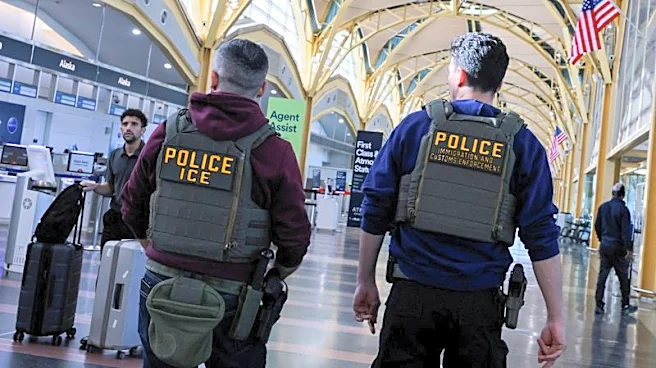
states. The Dodge County Sheriff's Office announced that a conference is scheduled to address these claims, which Naqvi's supporters say began after she landed at O'Hare International Airport on March 5. Naqvi's family and supporters, including Cook County Commissioner Kevin Morrison, assert that she was held at various locations, including the Dodge County jail, before being released. However, the U.S. Department of Homeland Security and several law enforcement agencies have disputed these claims, stating that Naqvi was only subjected to additional security screening at the airport. The Dodge County Sheriff's Office has no record of her detention, and a German software company Naqvi claimed to work for denied her employment.
Why It's Important?
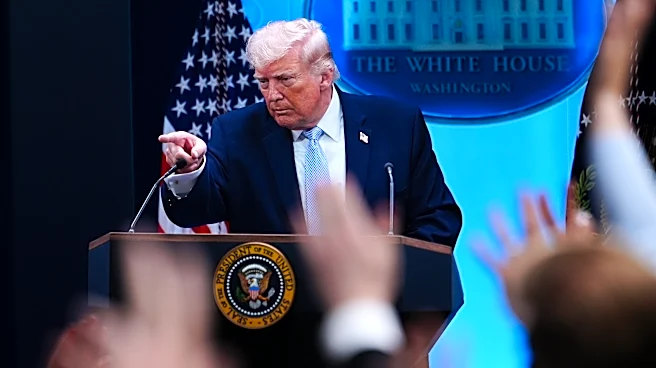
This case highlights ongoing tensions and concerns surrounding immigration enforcement in the U.S., particularly under policies that have intensified since President Trump's administration. The allegations, if true, could indicate potential overreach or mismanagement within immigration enforcement agencies, affecting public trust. For Naqvi and others who may find themselves in similar situations, the case underscores the complexities and potential vulnerabilities faced by individuals navigating the immigration system. The outcome of this investigation could influence public perception and policy discussions regarding immigration enforcement practices, especially concerning U.S. citizens and lawful residents.
What's Next?
The scheduled conference by the Dodge County Sheriff's Office is expected to provide an in-depth overview of the incident and clarify the involvement of various law enforcement agencies. Depending on the findings, there could be calls for further investigation or policy reviews. Stakeholders, including immigration advocacy groups and public officials, may respond based on the information released, potentially leading to legal actions or policy recommendations. The case may also prompt discussions on the need for transparency and accountability in immigration enforcement processes.