






What's Happening?
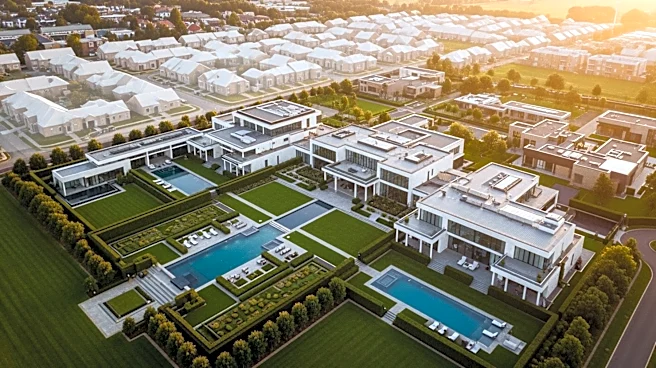
The Palo Alto City Council has rejected a proposal to ban the creation of billionaire compounds, a move inspired by Mark Zuckerberg's extensive real estate acquisitions in the area. The proposal aimed to restrict the purchase of multiple properties within
a close radius, addressing concerns about housing availability and neighborhood disruption. Despite the rejection, the council plans to review regulations on construction and property vacancies to address community concerns about prolonged construction and vacant properties.
Why It's Important?
The decision reflects the ongoing tension between preserving community character and accommodating the interests of wealthy individuals in high-demand areas like Palo Alto. The rejection of the ban highlights the challenges cities face in balancing property rights with community needs, especially in regions experiencing housing shortages. The outcome could influence similar debates in other affluent areas, impacting local economies and housing policies. The council's decision to review related regulations suggests a continued focus on addressing housing and community concerns without targeting specific economic classes.
What's Next?
Palo Alto will likely continue to explore ways to manage the impact of large-scale property acquisitions on the community. The council's decision to review construction and vacancy regulations indicates a commitment to finding solutions that address community concerns while respecting property rights. This approach may lead to new policies that balance development with community preservation, potentially serving as a model for other cities facing similar challenges. The ongoing dialogue between residents, city officials, and property owners will be crucial in shaping future policies.