

What's Happening?
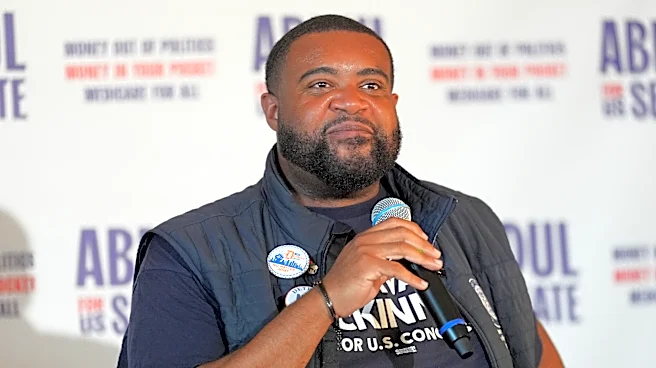
In the recent U.S. congressional primary elections, the crypto industry experienced a significant setback when incumbent Representative Shri Thanedar lost to progressive challenger Donavan McKinney for the Democratic nomination in Detroit. The Fairshake
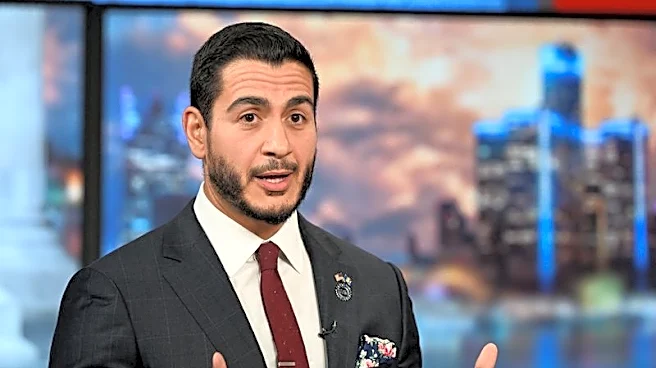
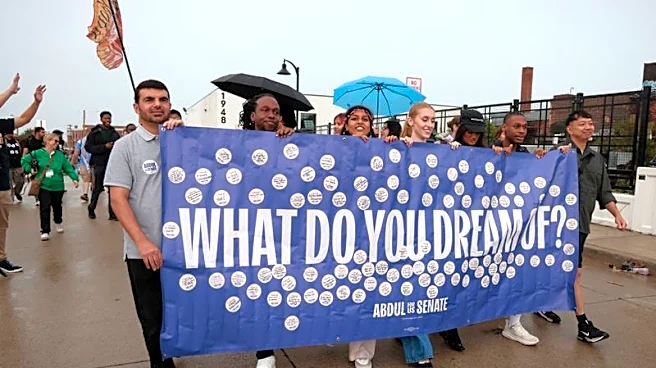
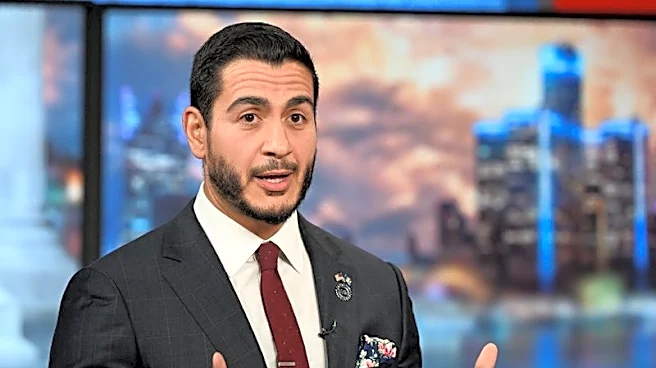
political action committee, which supports crypto-friendly candidates, invested over $2 million in Thanedar's campaign. Thanedar, a co-sponsor of the Digital Asset Market Clarity Act, was a key ally for the crypto industry in the House of Representatives. His defeat marks a loss for the industry, as McKinney, who received endorsements from Senator Bernie Sanders and Michigan Senate candidate Abdul El-Sayed, has not publicly stated his stance on crypto issues. Despite this loss, the Fairshake PAC succeeded in supporting other incumbents, including Bill Huizenga in Michigan and several Democrats in Washington, who are favorable to the crypto industry.
Why It's Important?
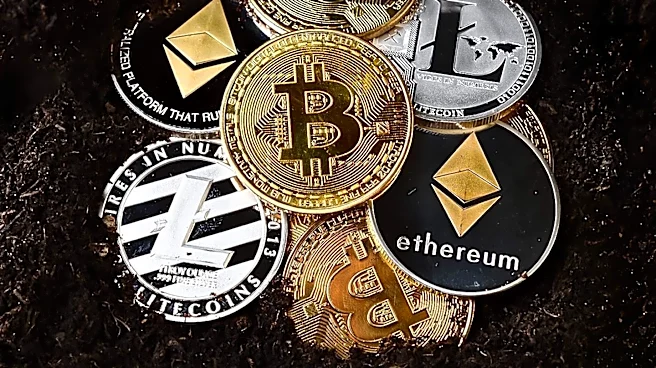
The outcome of this primary election is significant for the crypto industry, which has been actively seeking to influence legislative processes through financial support of candidates. The loss of Representative Thanedar, a known supporter of crypto legislation, could impact the industry's ability to push for favorable regulatory frameworks in Congress. The election results highlight the challenges the crypto industry faces in maintaining political allies amid a shifting political landscape. The success of progressive candidates like McKinney, who are less predictable in their stance on crypto, suggests a potential shift in legislative priorities that could affect future crypto regulations. This development underscores the importance of strategic political investments for industries seeking to shape policy outcomes.
What's Next?
Following the primary elections, the crypto industry may need to reassess its political strategy, particularly in districts where progressive candidates are gaining ground. The industry might focus on building relationships with new lawmakers and educating them on crypto-related issues to ensure continued support for favorable legislation. Additionally, the industry will likely continue to back candidates in upcoming general elections who have demonstrated support for crypto-friendly policies. The outcome of these elections could further influence the regulatory environment for digital assets in the U.S.