







What's Happening?
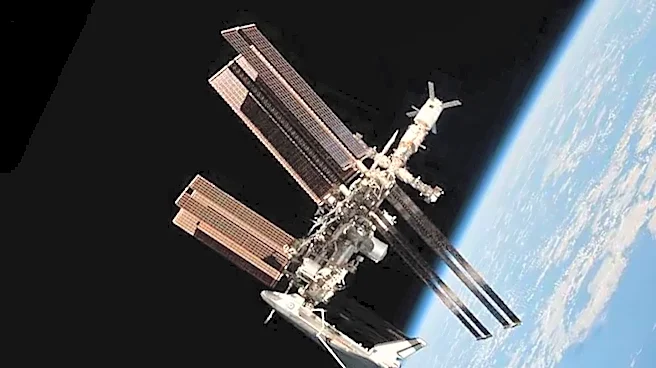
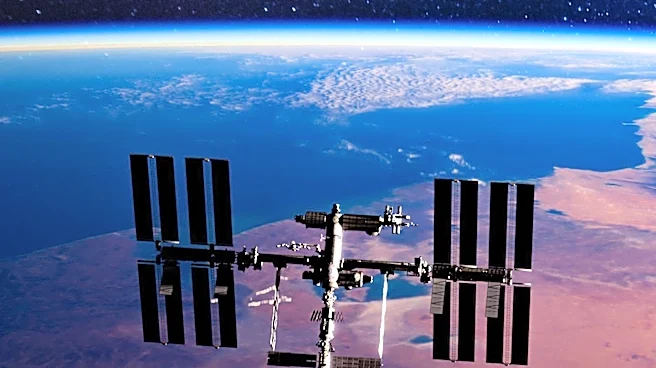
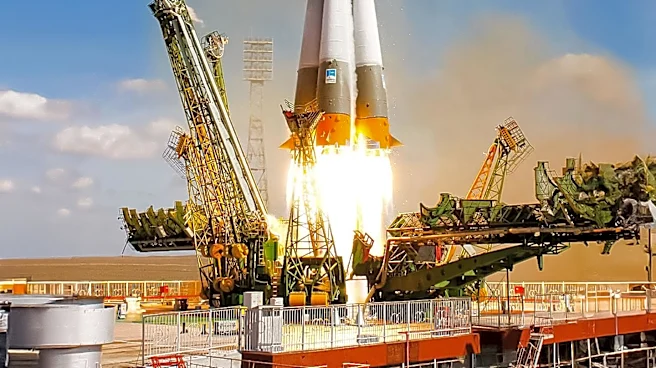
NASA astronaut Anil Menon, of Indian origin, has successfully reached the International Space Station (ISS) aboard the Soyuz MS-29 spacecraft. This mission marks Menon's first spaceflight and is part of an ongoing collaboration between NASA and Roscosmos.
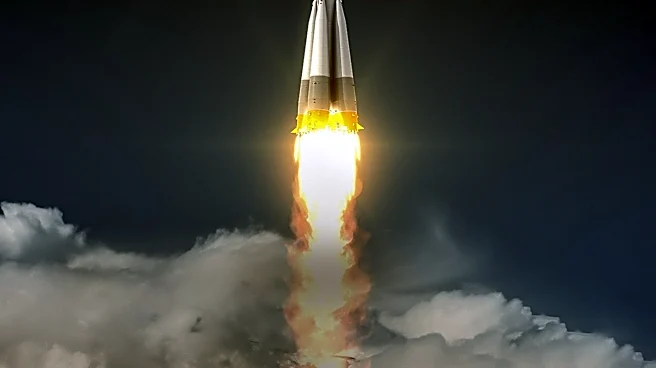
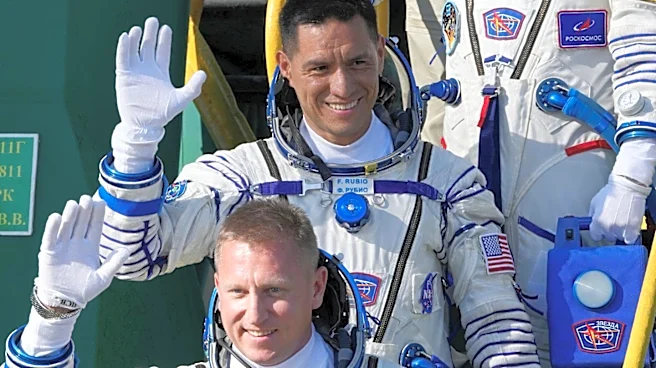
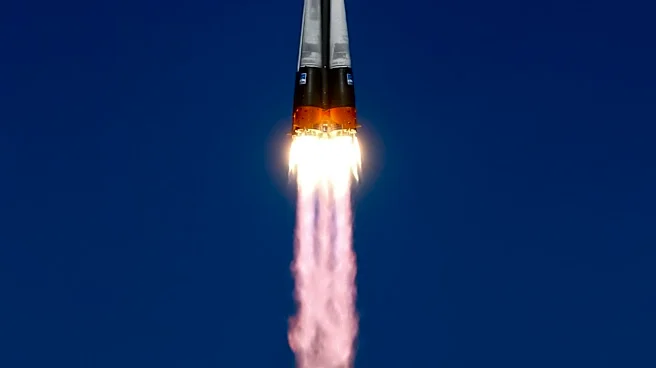
Menon, along with Roscosmos cosmonauts Pyotr Dubrov and Anna Kikina, launched from the Baikonur Cosmodrome in Kazakhstan and docked with the ISS approximately three hours later. The crew will join the Expedition 74 team already on the station, where they will conduct scientific research, perform maintenance, and support ongoing investigations over the next eight months. Menon's background as an emergency physician and flight surgeon is expected to be pivotal in the mission's healthcare research, which includes testing artificial intelligence and augmented reality systems for medical procedures in space.
Why It's Important?
This mission is significant as it underscores the international collaboration in space exploration, particularly between NASA and Roscosmos. The research conducted during this mission could have profound implications for future deep space missions, such as those to the Moon and Mars. The focus on autonomous healthcare technologies is crucial, as communication delays in deep space will necessitate self-sufficient medical capabilities. Menon's work with AI and augmented reality could lead to advancements that allow astronauts to perform complex medical procedures without direct support from Earth, potentially revolutionizing space medicine and benefiting remote healthcare on Earth.
What's Next?
During their eight-month stay, Menon and his colleagues will engage in various scientific experiments, including the study of semiconductor crystal formation in microgravity. The outcomes of these experiments could enhance manufacturing processes on Earth. Additionally, the mission will test new healthcare technologies that could be vital for future long-duration spaceflights. The success of these technologies could influence the design and planning of upcoming missions to the Moon and Mars, as well as improve medical care in isolated environments on Earth.