



What's Happening?
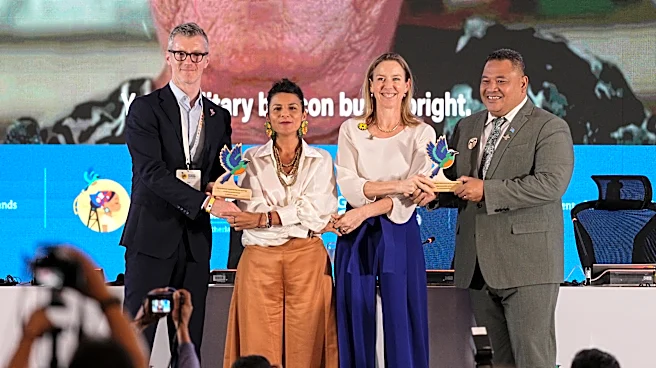
Tuvalu’s Minister for Climate Change, Maina Vakafua Talia, has called for urgent global action on a stronger plastics treaty, a transition away from fossil fuels, and increased investment in renewable energy during COP31. Minister Talia emphasized that
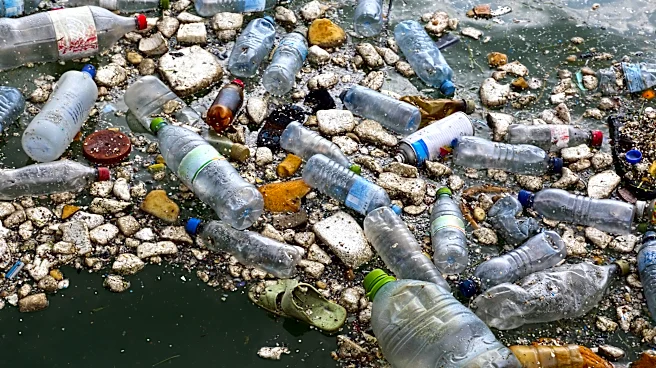
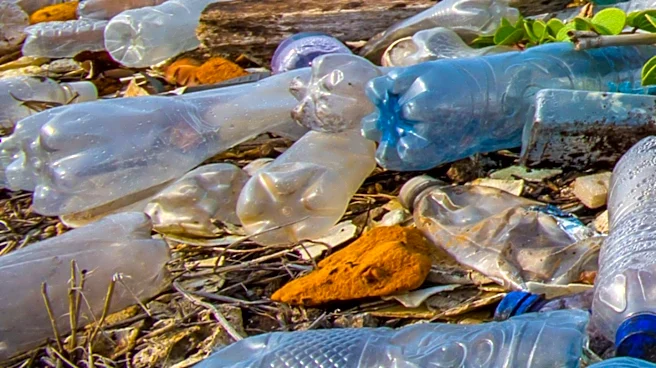
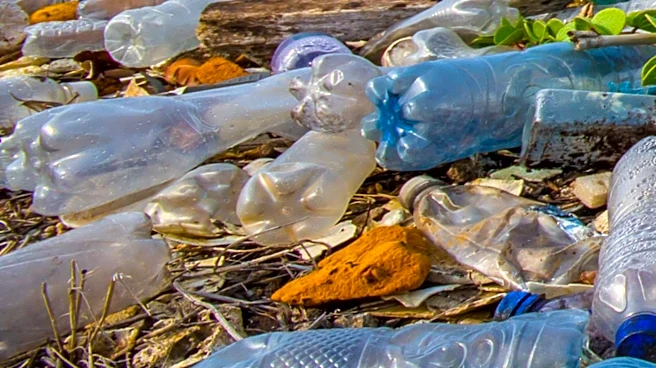
Pacific Island countries are disproportionately affected by plastic pollution and climate change, despite contributing minimally to these issues. He stated that negotiations for a global plastics treaty must adhere to the United Nations Environment Assembly Resolution 5/14, which mandates coverage of the entire life cycle of plastics, including virgin polymer production, chemical additives, waste management, and remediation of existing pollution. The adjournment of negotiations at the fifth session of the Intergovernmental Negotiating Committee (INC-5.2) without consensus was viewed by Talia not as a defeat, but as an opportunity to build broader international support for a more ambitious agreement. He stressed that a treaty failing to address plastic production at its source would not adequately protect Pacific communities.
Why It's Important?
This call to action from Tuvalu highlights the critical need for comprehensive international environmental policies, particularly concerning plastic pollution and climate change. For the U.S., a stronger global plastics treaty could lead to significant shifts in manufacturing practices, potentially impacting industries reliant on plastic production and chemical additives. Stricter regulations on virgin polymer production and chemical use could necessitate retooling and investment in alternative materials, affecting supply chains and consumer product costs. Furthermore, Tuvalu's emphasis on a fossil fuel transition aligns with global efforts to combat climate change, which could influence U.S. energy policy and investment in renewable technologies. The push for international financing and technical assistance for renewable energy in Small Island Developing States also underscores the broader economic and geopolitical implications of climate action, potentially involving U.S. foreign aid and development strategies. The outcome of these negotiations could set precedents for environmental governance and international cooperation.
What's Next?
Negotiations for the global plastics treaty are expected to resume early next year, with a focus on achieving a more ambitious and legally binding agreement. The adjournment of INC-5.2 provides a window for countries like Tuvalu to garner wider international support for their proposals, particularly regarding the full life cycle approach to plastic regulation. The U.S. and other major economies will likely face continued pressure to commit to more stringent environmental policies and contribute to climate financing for vulnerable nations. The discussions at COP31 and subsequent international forums will determine the scope and enforceability of future environmental treaties, influencing global trade, industrial practices, and climate resilience efforts. Stakeholders, including environmental organizations, industry groups, and national governments, will continue to advocate for their respective positions as the treaty negotiations progress.
Beyond the Headlines
The stance taken by Tuvalu transcends immediate policy debates, touching upon deeper ethical and equity considerations in global environmental governance. The disproportionate impact of plastic pollution and climate change on small island nations, despite their minimal contribution to the problem, raises questions about historical responsibility and environmental justice. The call for a treaty that binds and cuts production at the source challenges the prevailing linear economic model and pushes for a more circular approach to resource management. This development could catalyze a broader re-evaluation of consumption patterns and industrial accountability worldwide. The emphasis on resilient energy systems and climate financing also highlights the interconnectedness of environmental, economic, and social development, suggesting that effective solutions require integrated approaches that address both mitigation and adaptation, particularly for the most vulnerable communities.