
What's Happening?
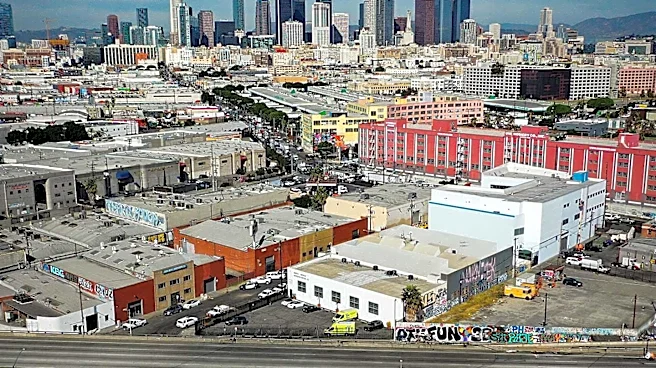
Lineage, a cold storage company, is facing an August 20 deadline to remove rotting food from its burned Boyle Heights warehouse. This deadline was imposed by the South Coast Air Quality Management District (AQMD). The company had previously missed a city-mandated
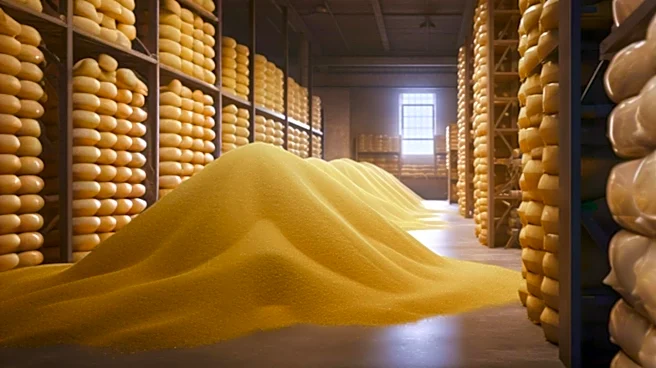
August 14 deadline to clear 88 million pounds of food. As of Tuesday, Lineage reported that 97% of the food waste had been removed, but it had not confirmed completion by the end of the day. The company disputes the city's timeline, stating that its applicable deadline is August 20, as per AQMD orders, because the Los Angeles Fire Department did not hand over the building until July 7. The next phase of cleanup, involving loose debris removal, power washing, disinfecting, detailing, and deodorizing, is expected to be completed by August 27. Residents have expressed frustration over lingering odors, pests, and health concerns, with many reporting nausea and headaches.
Why It's Important?
The ongoing situation at the Lineage warehouse in Boyle Heights has significant public health and environmental implications for the local community. The presence of 88 million pounds of rotting food has led to pervasive odors, pest infestations, and potential health risks, directly impacting residents' quality of life. The dispute over cleanup timelines between the city and Lineage highlights challenges in environmental regulation and corporate accountability following industrial incidents. The L.A. County Department of Public Health has been inspecting the warehouse daily and issuing fines for unsanitary conditions, underscoring the severity of the issue. The slow pace of cleanup, particularly for the remaining 3% of food waste, suggests that the problem is more complex than initially anticipated. This event serves as a critical case study in urban environmental management, demonstrating the need for clear, enforceable deadlines and independent verification of cleanup efforts to protect affected communities.
What's Next?
Lineage faces immediate consequences if it fails to meet the August 20 deadline set by the South Coast AQMD. If the deadline is missed, the AQMD will call for another hearing to determine penalties. The company's self-reported cleanup pace has slowed, indicating that removing the final 3% of food waste could take several more days. Following the bulk food removal, the next phase of cleanup, including extensive cleaning and decontamination, is expected to be completed by August 27. L.A. Mayor Karen Bass has indicated that the city is preparing to pursue civil litigation and other legal options, including cost recovery and penalties, in response to Lineage missing the city's earlier August 14 deadline. Residents continue to demand relief from the odors and health concerns, and the effectiveness of the ongoing cleaning and deodorizing efforts will be closely monitored. The situation may lead to stricter enforcement mechanisms for industrial cleanup operations in urban areas.
Beyond the Headlines
Beyond the immediate cleanup, this incident exposes deeper issues regarding industrial land use in densely populated urban areas and the long-term environmental justice implications. The proximity of such a large-scale industrial operation to residential communities, and the subsequent impact of its failure, raises questions about zoning regulations, emergency preparedness, and the equitable distribution of environmental burdens. The residents' reports of health issues and the perceived lack of urgency from authorities highlight a potential disparity in how environmental hazards are addressed in different communities. This event could catalyze broader discussions on urban planning, industrial safety protocols, and the need for more robust community engagement and oversight in areas with significant industrial presence. It also underscores the importance of transparent communication and independent verification of corporate claims during environmental crises to build and maintain public trust.