








What's Happening?
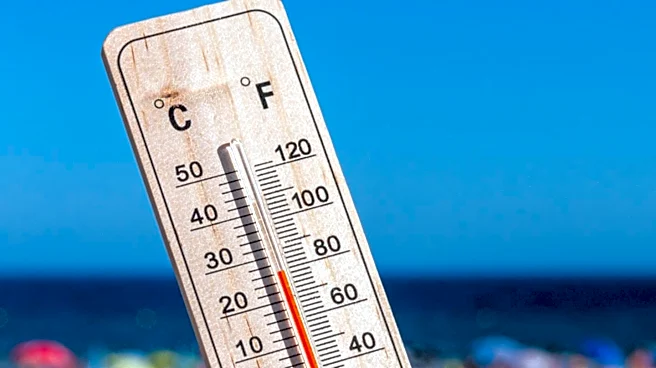
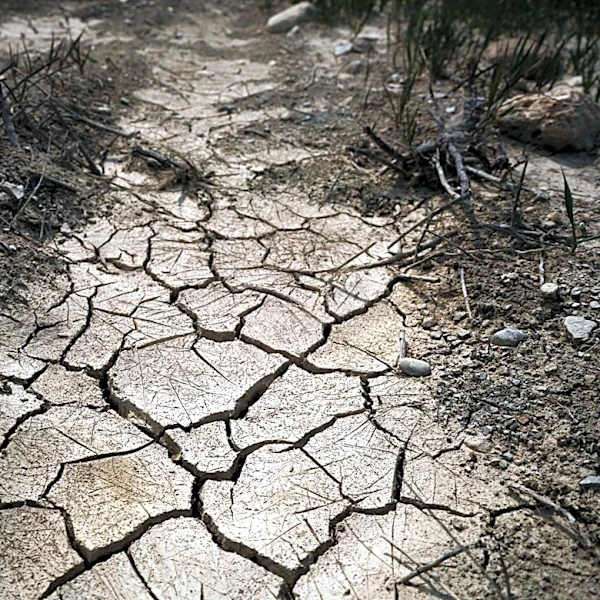
A severe heat wave is affecting the eastern United States, with temperatures reaching record highs in cities like Washington, D.C., Philadelphia, New York City, and Boston. The heat wave, exacerbated by high humidity, is straining the electric grid and impacting
public events, with some being canceled or rescheduled. A study by World Weather Attribution suggests that the intensity of this heat wave would have been 'virtually impossible' without the influence of fossil fuel pollution, highlighting the role of human-induced climate change in extreme weather events.
Why It's Important?
The heat wave poses significant health risks, particularly for vulnerable populations, and challenges infrastructure systems, including power grids and transportation. The findings from the World Weather Attribution study underscore the urgent need for climate action to mitigate the impacts of fossil fuel pollution. The situation highlights the broader implications of climate change on public health, safety, and economic stability, emphasizing the importance of transitioning to sustainable energy sources and implementing adaptive measures to protect communities.
What's Next?
As the heat wave continues, cities are opening cooling centers and providing resources to help residents cope with the extreme temperatures. Long-term, there may be increased pressure on policymakers to implement climate policies that address the root causes of such extreme weather events. Public awareness and education campaigns may be necessary to encourage energy conservation and promote sustainable practices. The situation may also prompt further research into the links between climate change and extreme weather, informing future policy and adaptation strategies.