

What's Happening?
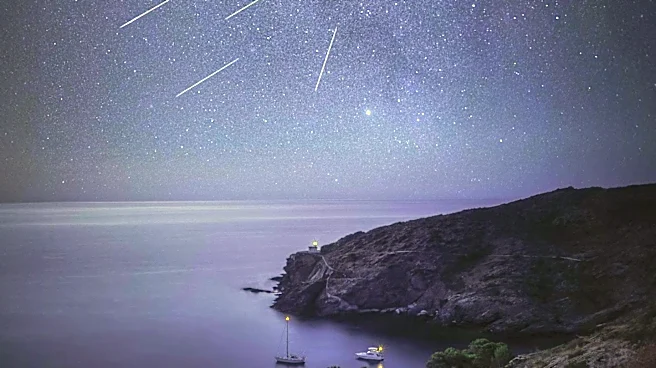
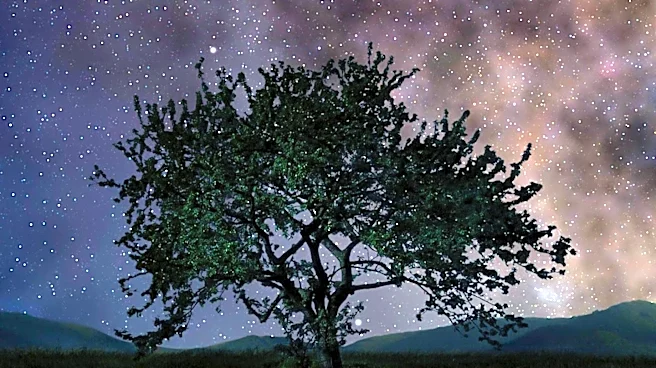
The Perseid meteor shower is set to peak on the nights of August 12-13, coinciding with a new moon, which will provide ideal viewing conditions due to minimal moonlight interference. This year, the Perseids are expected to produce up to 100 meteors per
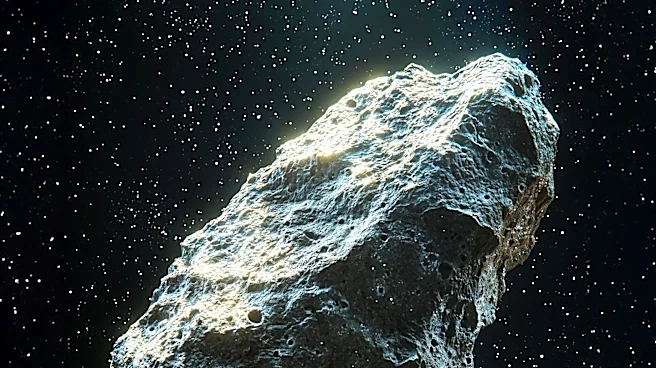
hour, making it one of the most active meteor showers. The meteors appear to radiate from the constellation Perseus, although they are actually debris from the comet 109P/Swift-Tuttle. This annual event has been observed for centuries, with historical records dating back to 36 AD. The Perseids are often referred to as the 'Tears of St Lawrence' in medieval Europe, as they occur near the saint's feast day.
Why It's Important?
The Perseid meteor shower is a significant astronomical event that attracts skywatchers and enthusiasts due to its high activity rate and visibility. The absence of moonlight this year enhances the viewing experience, allowing more people to witness the spectacle. This event not only provides an opportunity for public engagement with astronomy but also highlights the importance of preserving dark skies for astronomical observations. The Perseids offer a chance to connect with historical and cultural traditions, as they have been observed and celebrated across different cultures for centuries.
What's Next?
As the Perseid meteor shower approaches, astronomy organizations and enthusiasts are likely to organize viewing events and provide guidance on optimal viewing practices. The event may also prompt discussions on light pollution and its impact on astronomical observations. Following the Perseids, other meteor showers and celestial events will continue to engage the public and promote interest in astronomy.