



What's Happening?
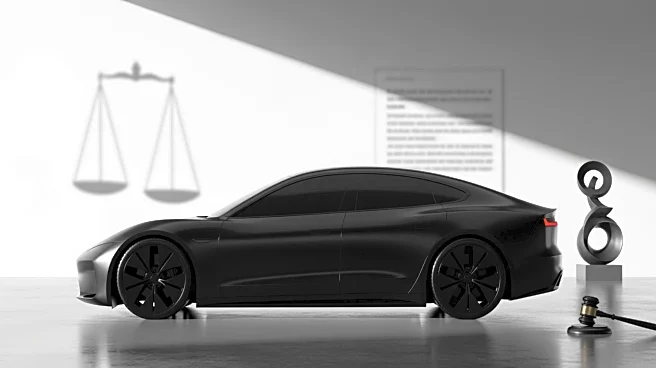
A judge in the Rishon Lezion Magistrate’s Court in Israel has ruled that a man undergoing insolvency proceedings must give up his Tesla. The debtor, who owes approximately NIS 1 million, had requested to continue paying off the loan for the luxury vehicle,
arguing it was essential for family transportation and his work as a courier. The court, however, denied the request, emphasizing that insolvency proceedings require frugal financial conduct. The judge noted that maintaining a luxury vehicle is inconsistent with the goals of insolvency, and suggested the debtor use public transportation or a more modest car to reduce expenses and increase repayment to creditors.
Why It's Important?
This ruling underscores the legal and ethical considerations in insolvency cases, particularly regarding the management of luxury assets. The decision highlights the expectation for debtors to adopt financially responsible behaviors during insolvency proceedings. It also reflects broader societal views on financial responsibility and the prioritization of creditor repayment over personal luxury. The case may influence future insolvency proceedings, setting a precedent for how luxury assets are treated in debt management cases. It also raises questions about the balance between personal needs and financial obligations in legal contexts.