
What's Happening?
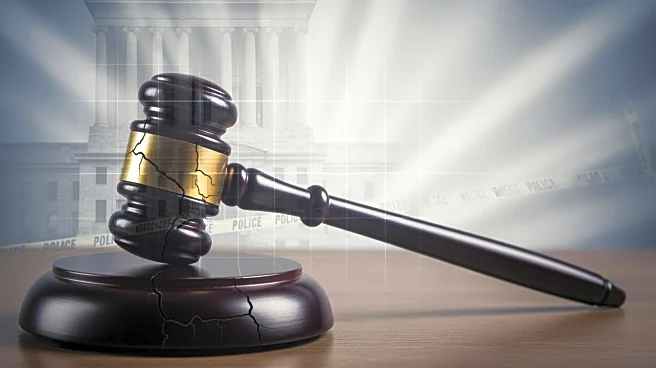
Minnesota, along with its largest cities Minneapolis and St. Paul, has filed a lawsuit against the Trump administration to halt an immigration enforcement surge. This legal action follows the fatal shooting of Renee Good, a Minneapolis woman, by a federal
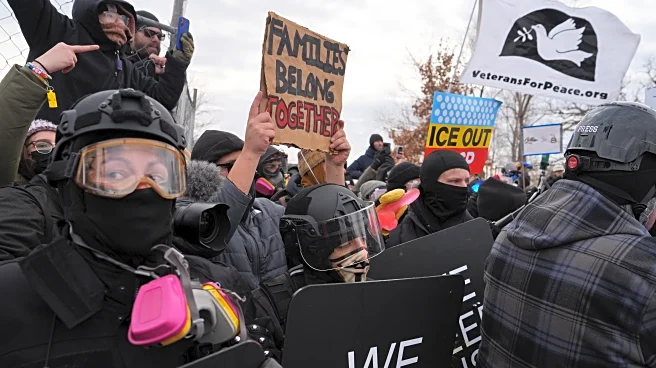
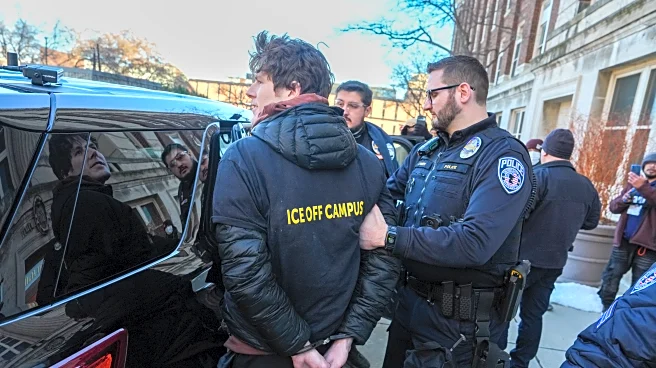
officer, which has sparked widespread protests. The state accuses the Department of Homeland Security of violating constitutional rights, including the First Amendment. The lawsuit seeks a temporary restraining order to stop or limit the enforcement operation. The federal government has deployed over 2,000 immigration officers in Minnesota, resulting in more than 2,000 arrests since December. The enforcement action has been described as the largest ever by Immigration and Customs Enforcement. The situation has led to protests and vigils across the U.S., with activists criticizing the administration's tactics.
Why It's Important?
The lawsuit and subsequent protests highlight significant tensions between state and federal authorities over immigration enforcement policies. The actions of federal officers have raised concerns about civil liberties and the use of force, particularly in progressive states like Minnesota that have been welcoming to immigrants. The outcome of this legal battle could set a precedent for how immigration enforcement is conducted in the U.S., potentially affecting federal-state relations and the rights of immigrants. The case also underscores the broader national debate over immigration policy and enforcement under the Trump administration, which has been marked by aggressive tactics and legal challenges.
What's Next?
The legal proceedings will determine whether the federal government can continue its current enforcement strategy in Minnesota. If the court grants the temporary restraining order, it could limit the scope of federal immigration operations in the state. The case may also influence similar legal challenges in other states, such as Illinois, where a similar crackdown has occurred. The federal government, represented by Homeland Security, is expected to defend its actions by citing public safety concerns. The outcome could have implications for future immigration policies and enforcement strategies across the country.