

What's Happening?
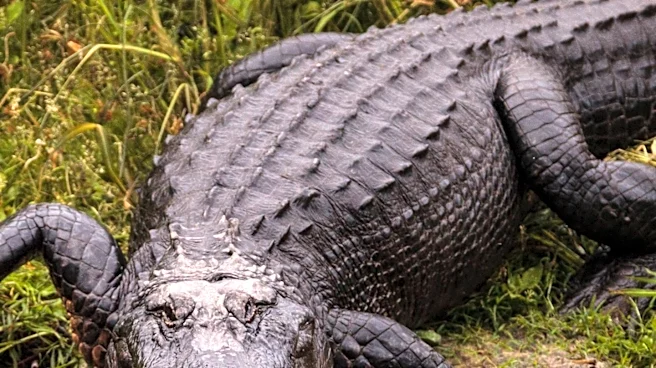
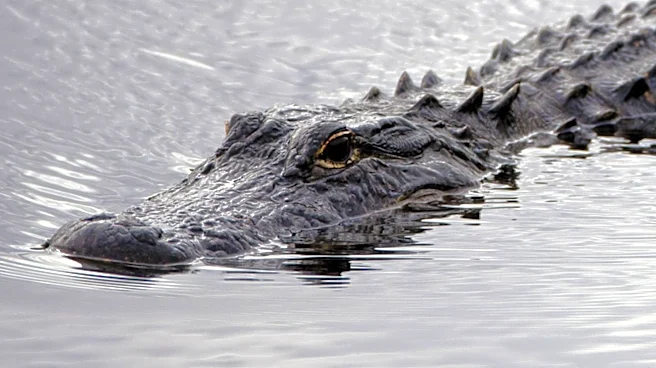
American crocodiles have established a significant habitat in the artificial canals surrounding the Turkey Point nuclear power plant in Florida. These canals, originally built for the plant's cooling system, have become a crucial refuge for the species,
which was once near extinction in the U.S. Wildlife specialists have been monitoring and managing the crocodile population, tagging thousands of hatchlings as part of a long-term conservation program.
Why It's Important?
The presence of a thriving crocodile population in an industrial setting highlights the potential for human-made environments to support wildlife conservation. This case demonstrates how industrial infrastructure can be repurposed to benefit endangered species, contributing to biodiversity and ecological balance. The success of the conservation program at Turkey Point serves as a model for integrating wildlife management with industrial operations.
Beyond the Headlines
The story of the Turkey Point crocodiles underscores the importance of innovative conservation strategies that leverage existing infrastructure. It also raises questions about the balance between industrial development and environmental preservation. The program's success could inspire similar initiatives in other regions, promoting sustainable coexistence between human activities and wildlife.