






What's Happening?
A 'cold blob' in the North Atlantic, an area of unusually cool water south of Greenland, is raising concerns among scientists about its potential impact on weather patterns in the United States. Recent studies suggest that this cold patch is linked to
a weakening of the Atlantic Meridional Overturning Circulation (AMOC), a crucial ocean current system that regulates temperatures and weather across the Atlantic. The AMOC's weakening could lead to significant changes in sea levels, rainfall, and storm systems affecting the U.S., particularly along the East Coast. This phenomenon has been under observation for years, with scientists warning that climate change could exacerbate its effects.
Why It's Important?
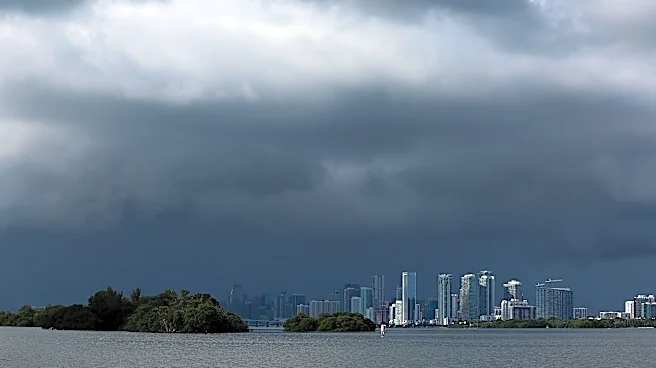
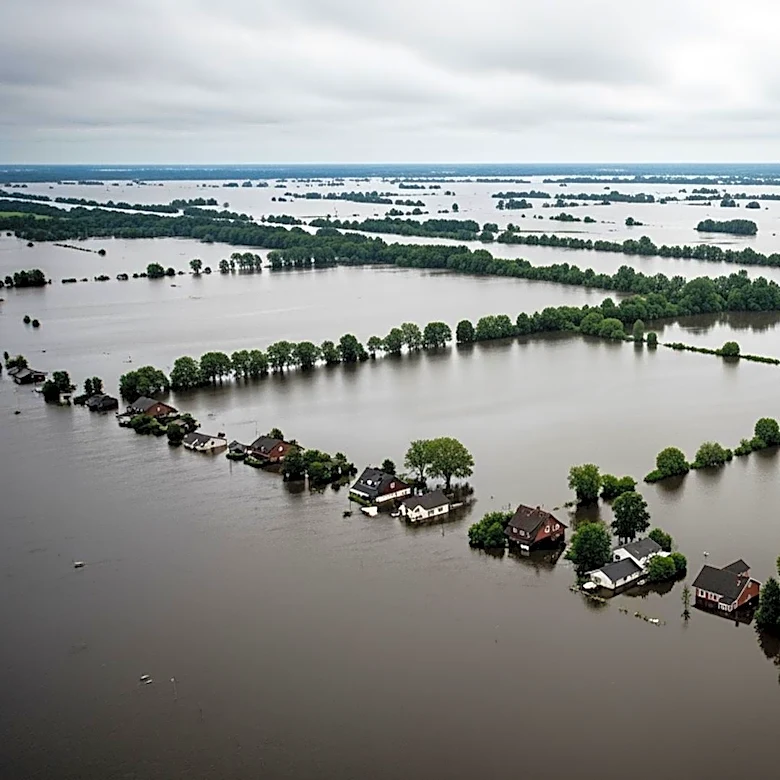
The weakening of the AMOC could have far-reaching consequences for the U.S., including increased coastal flooding and altered weather patterns. The East Coast, in particular, faces a heightened risk of rising sea levels, which could lead to more frequent and severe flooding events. Changes in rainfall and storm tracks could also impact agriculture, water resources, and infrastructure. Understanding and monitoring the AMOC's behavior is crucial for developing effective climate adaptation and mitigation strategies. The potential for significant shifts in weather patterns underscores the importance of addressing climate change and its impacts on critical oceanic systems.
What's Next?
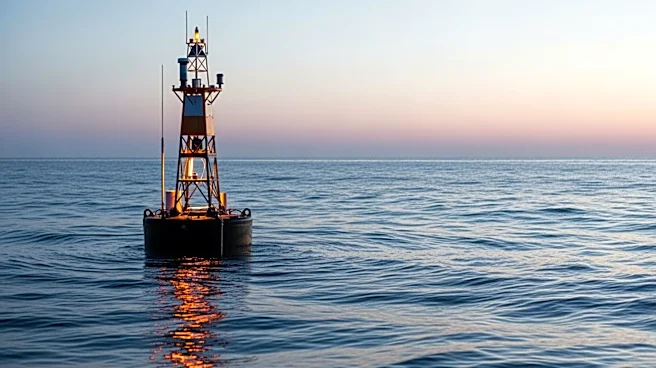
Ongoing research and monitoring efforts will be essential to track the AMOC's status and predict its future behavior. Scientists will continue to study the cold blob and its implications, providing data to inform policy decisions and climate models. Coastal communities and policymakers will need to consider these findings in their planning and resilience efforts. As the situation evolves, international collaboration and information sharing will be vital to address the broader impacts of these oceanic changes on global climate systems.