




What's Happening?
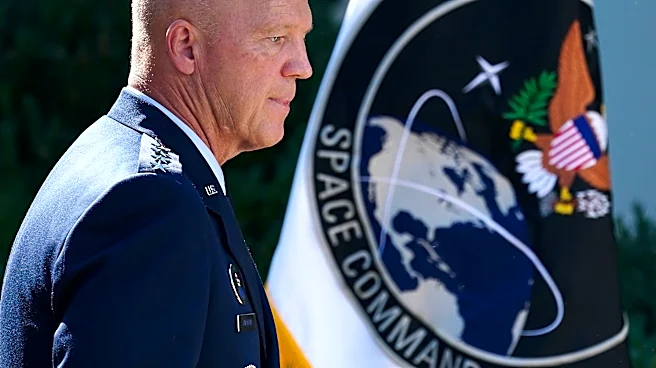
The U.S. Space Force has chosen Anduril Industries, Booz Allen Hamilton, and Peerless Technologies Corporation to compete in the initial phase of a $60 million initiative. This effort aims to modernize the control systems for space electromagnetic warfare.
The first phase, valued at approximately $10 million, will last three months, during which each company will develop a working prototype. These prototypes will include the core software framework, mission applications, and a software development kit for the Space Electromagnetic Warfare Operating Location (SEWOL) program. The SEWOL program seeks to replace current command-and-control tools with a unified, cloud-based application, providing operators with a shared operational view and the ability to manage hundreds of remote systems more efficiently. This approach is expected to reduce workload and accelerate decision-making. Following the three-month prototyping period, the Space Force plans to select one firm to build the first operational version of the system.
Why It's Important?
This initiative is critical for the U.S. Space Force as it addresses the need for advanced capabilities in space electromagnetic warfare, a rapidly evolving domain. By consolidating existing command-and-control tools into a single cloud-based application, the Space Force aims to enhance its operational efficiency and responsiveness in a contested space environment. The competitive prototyping phase, leveraging commercial innovation and a Modular Open Systems Approach, is designed to prevent vendor lock and ensure the acquisition of modern, software-defined mission systems. This strategy is vital for maintaining a technological edge against potential adversaries who are also developing their space-based capabilities. The involvement of leading defense contractors like Anduril Industries and Booz Allen Hamilton, alongside Peerless Technologies Corporation, highlights the strategic importance of this program and the U.S. commitment to investing in cutting-edge space defense technologies.
What's Next?
Over the next three months, Anduril Industries, Booz Allen Hamilton, and Peerless Technologies Corporation will develop and present their working prototypes for the SEWOL program. Government technical specialists and military operators will conduct hands-on evaluations of these prototypes. Following this assessment, the Space Force will down-select to a single vendor to proceed with building the first operational version of the system. This next phase will involve further development, integration, and testing to ensure the system meets the stringent requirements for space electromagnetic warfare. The successful implementation of SEWOL is expected to significantly improve the Space Force's ability to manage and execute operations in the electromagnetic spectrum, providing Guardians with enhanced tools to operate in a highly contested environment.
Beyond the Headlines
The modernization of space electromagnetic warfare systems reflects a broader strategic shift towards recognizing space as a critical domain for national security. The emphasis on a cloud-based, software-defined approach signifies a move towards more agile and adaptable defense systems, capable of rapid updates and integration of new technologies. This could set a precedent for future military acquisitions, prioritizing flexibility and commercial innovation. The competitive prototyping model also fosters a dynamic environment among defense contractors, potentially driving down costs and accelerating development cycles. However, it also raises questions about cybersecurity vulnerabilities inherent in cloud-based systems and the need for robust protection against sophisticated cyber threats in a space context. The long-term implications include a potential redefinition of space warfare, where electronic countermeasures and offensive capabilities become as crucial as traditional kinetic weapons.