
What's Happening?
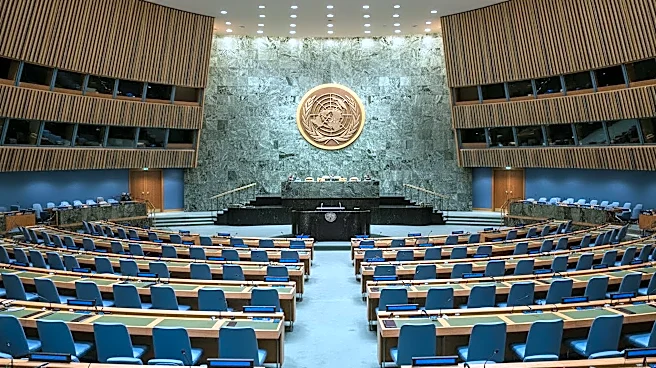
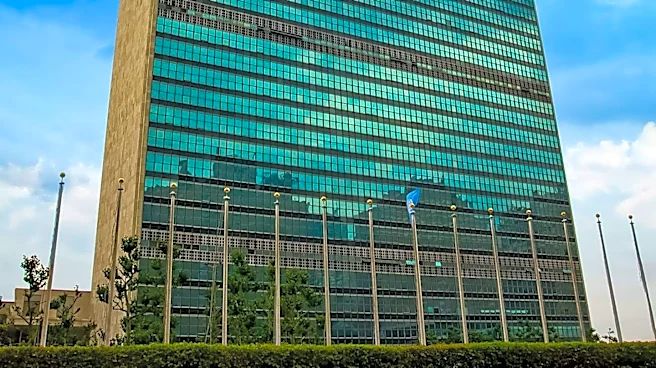
The Malian government is actively pushing for the Alliance of Sahel States (AES), which includes Mali, Burkina Faso, and Niger, to be fully integrated into the United Nations' strategic assessment of the region.
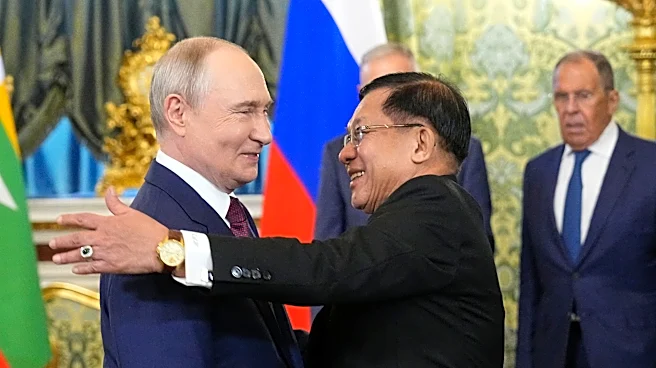
This initiative aims to secure international acknowledgment of the AES as a legitimate and emerging regional bloc, reflecting the changing political and security landscape in West Africa. The AES nations have collectively decided to depart from the Economic Community of West African States (ECOWAS) in January 2025, citing the organization's perceived alignment with Western powers and its failure to effectively address regional security concerns. Concurrently, these countries are reorienting their military and diplomatic partnerships away from traditional Western allies and towards Russia. This strategic shift is driven by a desire to enhance their independent defense capabilities through cooperation with Moscow, including the acquisition of advanced military technology and hardware. Malian Foreign Minister Abdoulaye Diop has articulated this move as an effort to strengthen national capabilities and foster autonomy, thereby breaking away from historical patterns of dependency.
Why It's Important?
This push for UN recognition by Mali for the AES, coupled with its pivot towards Russia, signifies a substantial challenge to the established geopolitical order in West Africa and has broader implications for international relations. The departure of Mali, Burkina Faso, and Niger from ECOWAS and their alignment with Russia could weaken regional stability and cooperation, potentially creating a power vacuum that other external actors might seek to fill. For the United States and its allies, this shift represents a decline in their influence in a strategically important region, particularly concerning counter-terrorism efforts and democratic governance. The increased Russian presence in the Sahel, through military and diplomatic ties, could complicate existing security frameworks and introduce new dynamics into the global competition for influence. Furthermore, the AES's emphasis on 'sovereigntist and anti-imperialist sentiments' could inspire similar movements in other African nations, leading to a broader re-evaluation of international partnerships and potentially impacting global supply chains and resource access.
What's Next?
The Malian government's advocacy for the AES's inclusion in UN reviews will likely lead to increased diplomatic activity and discussions within the international community regarding the legitimacy and role of this new bloc. The United Nations will need to consider how to adapt its regional approach to reflect the evolving realities in the Sahel, potentially leading to new resolutions or frameworks for engagement. Reactions from ECOWAS and other regional bodies are anticipated, possibly involving efforts to re-engage the AES members or to solidify their own positions in response to the new alliance. The deepening military and diplomatic ties between the AES countries and Russia are expected to continue, potentially resulting in more defense agreements, military exercises, and economic partnerships. This will likely prompt further strategic responses from Western nations as they seek to counter Russia's growing influence and address the security challenges in the Sahel. The long-term stability of the region will depend on how these various international and regional actors navigate these complex and shifting alliances.
Beyond the Headlines
The formation of the AES and its strategic alignment with Russia highlight a deeper trend of African nations seeking greater autonomy and diversified partnerships, moving away from what they perceive as neo-colonial influences. This development underscores the limitations of traditional Western-centric security and development paradigms in addressing complex regional challenges like terrorism and instability. The narrative of 'sovereigntist and anti-imperialist sentiments' resonates with a growing desire among some African leaders to assert national interests and control over their resources and security. This shift could lead to a more multipolar international system, where emerging powers like Russia and China play increasingly significant roles in regions traditionally dominated by Western influence. The ethical implications of these new alliances, particularly concerning human rights and democratic governance, will be a critical area of scrutiny, as the AES countries navigate their relationships with partners who may have different standards and expectations. The long-term impact on regional stability, economic development, and the welfare of the populations in the Sahel remains to be seen, as these nations chart a new course in global affairs.