




What's Happening?
A new mobile application, K72 SMPC Montijo, has been launched in Portugal to help citizens prepare for natural disasters and other emergencies. Developed in collaboration with the Municipal Civil Protection Service of Montijo, the app is designed for nationwide
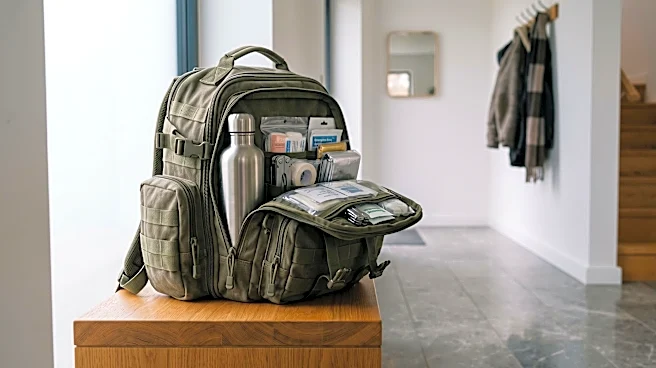
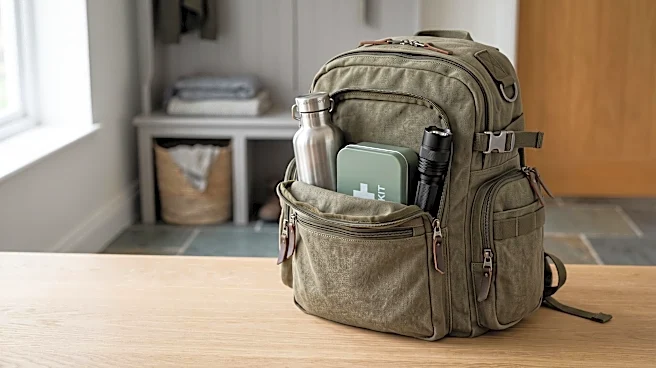
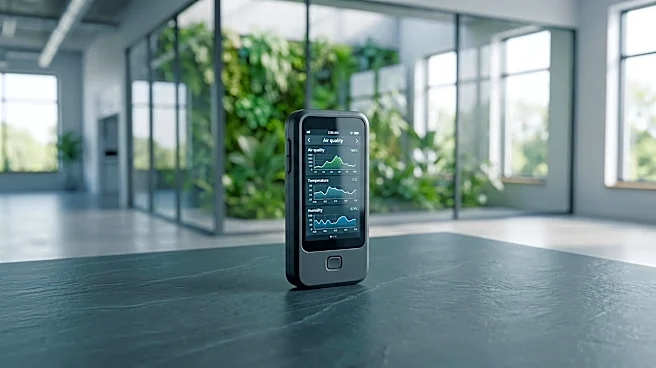
use. The 'K' stands for 'kit' and '72' refers to the 72-hour period for which individuals should have emergency provisions, considered the most critical phase after a disaster. The app's creator, Carlos Batista, a documentary filmmaker and coordinator of the Local Civil Protection Unit of Montijo and Afonsoeiro, aimed to create a tool that prompts concrete action rather than just providing information. The app guides users on assembling an emergency kit, including items for staying at home, evacuation, car, and even pets. It allows users to track what they have and what they still need, and can redirect them to online shops for missing items. The K72 app also helps users create a family emergency plan, serves as a channel for Civil Protection alerts, and includes an inventory system to warn when food and medicines are nearing expiration. It functions with or without internet access, provided the mobile device has battery power, and stores user data only on the device for privacy.
Why It's Important?
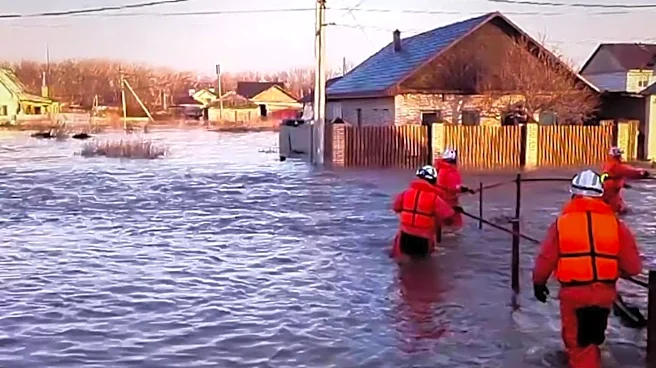
The K72 app represents a significant step in enhancing public preparedness for emergencies in Portugal, aligning with the European Commission's strategy for harmonizing emergency prevention across member states. By encouraging individuals to assemble 72-hour emergency kits, the app aims to reduce the immediate impact of disasters, such as earthquakes, floods, urban fires, or prolonged power outages. This proactive approach can save lives, minimize injuries, and alleviate the burden on emergency services during critical periods. The app's focus on family discussions about emergency plans fosters community resilience and ensures that households have a clear understanding of how to act, contact each other, and where to meet in a crisis. The offline functionality and privacy-focused data storage make it a reliable tool even when traditional communication infrastructure is compromised. The initiative could serve as a model for other nations, including the U.S., to develop similar localized, accessible tools for disaster readiness, potentially influencing public policy on emergency management and citizen engagement.
What's Next?
The creators' goal is for the K72 app to be widely adopted across Portugal, fostering a culture of preparedness among the populace. Continued promotion and integration with national emergency response frameworks will be crucial for its success. The app's features, such as the inventory system for expiring items and the ability to create family emergency plans, suggest ongoing engagement with users beyond initial kit assembly. Future developments might include partnerships with retailers to streamline the procurement of emergency supplies or further integration with official Civil Protection alert systems. The success of this app in Portugal could also inspire similar initiatives in other countries, potentially leading to international collaborations on emergency preparedness technology and best practices. The European Commission's broader strategy for harmonizing emergency prevention across member states indicates a growing emphasis on citizen-level readiness, and the K72 app is a practical manifestation of this policy direction.
Beyond the Headlines
The K72 app highlights a broader shift in disaster management philosophy, moving from purely reactive response to proactive citizen empowerment. This approach recognizes that the initial hours following a disaster are often the most chaotic, and individual preparedness can significantly mitigate immediate risks. The app's emphasis on family conversations about emergencies underscores the social and psychological dimensions of disaster readiness, fostering a sense of collective responsibility and reducing panic. Furthermore, the app's design, which prioritizes user privacy by storing data locally, addresses growing concerns about data security in public services. This model could influence how governments and organizations develop digital tools for public safety, balancing convenience with privacy. The initiative also subtly promotes self-reliance and community resilience, suggesting that effective emergency management is not solely the purview of state institutions but a shared responsibility that begins at the household level. This cultural shift towards preparedness could have long-term benefits in reducing societal vulnerability to various threats.