







What's Happening?
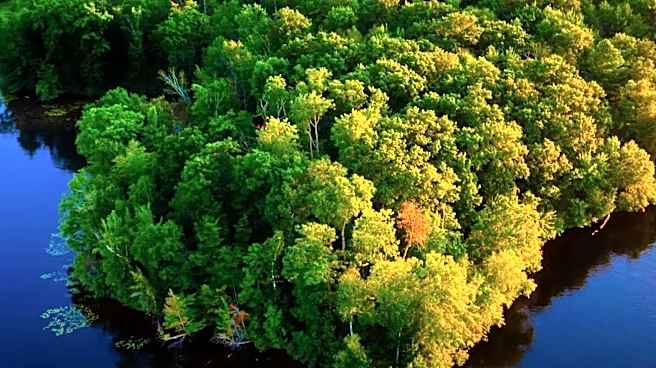
The New Jersey Forest Fire Service, a division of the New Jersey Department of Environmental Protection, is tasked with the comprehensive management and protection of the state's forests and open spaces. This includes critical responsibilities such as fire
prevention and suppression efforts to safeguard natural resources and communities. Beyond fire management, the service also plays a significant role in broader land management initiatives, ecological restoration projects aimed at preserving biodiversity and ecosystem health, and the overall protection of New Jersey's natural resources. The department's website highlights its involvement in various environmental protection aspects, including fish and wildlife management, green acres and ecological restoration, and historic preservation, indicating a holistic approach to environmental stewardship within the state.
Why It's Important?
The work of the New Jersey Forest Fire Service is crucial for the ecological and economic well-being of the state. Effective fire prevention and suppression protect not only natural habitats and wildlife but also residential areas and infrastructure from the devastating impacts of wildfires. This is particularly important in a densely populated state like New Jersey, where urban and wildland interfaces are common. Furthermore, the service's involvement in land management and ecological restoration contributes to maintaining healthy ecosystems, which provide essential services such as clean air and water, recreational opportunities, and support for local economies through tourism and outdoor activities. The protection of natural resources also has long-term implications for climate resilience and biodiversity conservation, ensuring a sustainable environment for future generations.
What's Next?
The New Jersey Forest Fire Service will continue its ongoing efforts in fire season preparedness, which involves monitoring weather conditions, conducting controlled burns, and maintaining equipment and personnel readiness. Given the increasing risks associated with climate change, such as prolonged droughts and more intense fire seasons, the service may need to adapt its strategies and resources to address evolving challenges. Future initiatives could include enhanced public education campaigns on fire safety, further investment in advanced firefighting technologies, and expanded ecological restoration projects to bolster the resilience of New Jersey's natural landscapes. Collaboration with other state agencies and local communities will also be vital in developing comprehensive approaches to land management and environmental protection.
Beyond the Headlines
The role of the New Jersey Forest Fire Service extends beyond immediate fire response to encompass the broader ethical and societal responsibility of environmental stewardship. Their work underscores the delicate balance between human development and natural preservation, highlighting the continuous need for proactive measures to protect shared natural heritage. The service's efforts in ecological restoration, for instance, reflect a commitment to repairing past environmental damage and fostering healthier ecosystems, which in turn supports public health and quality of life. This integrated approach to land management also touches upon the cultural value of open spaces and forests, providing areas for recreation, reflection, and connection with nature, which are increasingly vital in an urbanized society.