

What's Happening?
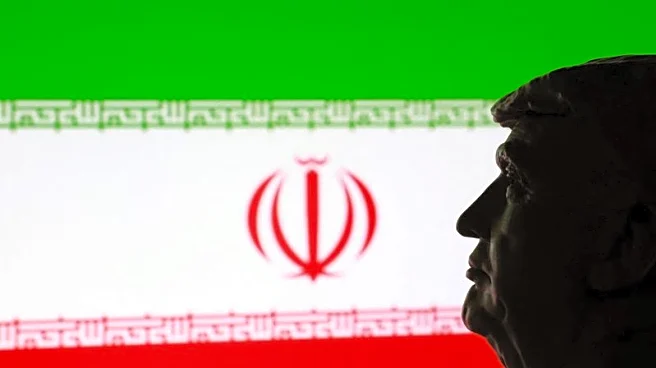
Israeli Prime Minister Benjamin Netanyahu is scheduled to meet with U.S. President Donald Trump in Washington to discuss ongoing American talks with Iran. The meeting, set for Wednesday, comes amid heightened tensions following indirect U.S.-Iran discussions
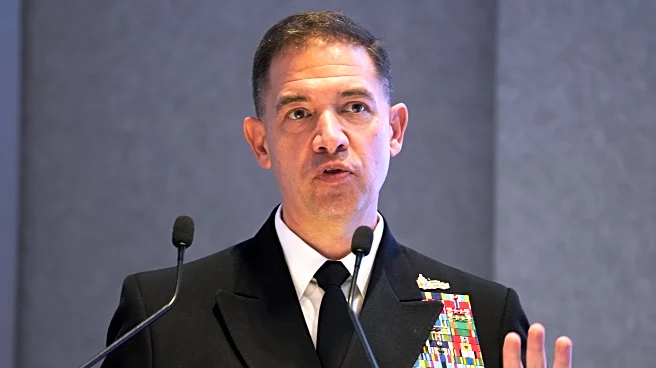
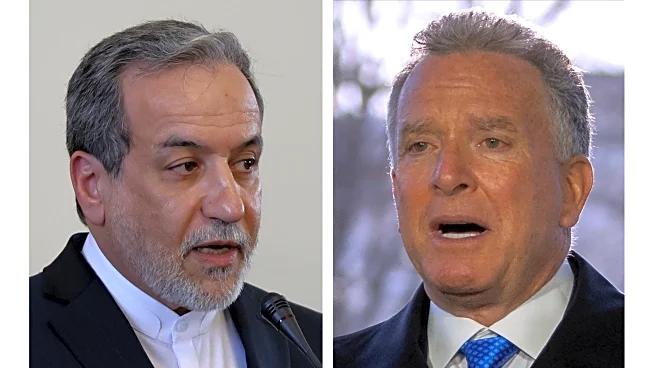
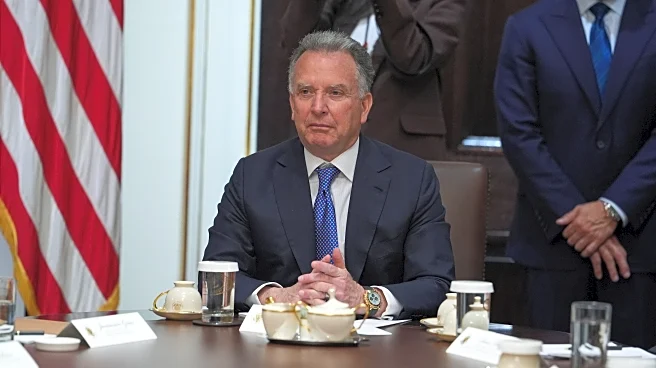
in Oman regarding Tehran's nuclear program. Netanyahu's office emphasized the need for negotiations to address Iran's ballistic missile program and its support for militant groups. The U.S. delegation in Oman included Middle East special envoy Steve Witkoff and Jared Kushner, President Trump's son-in-law. The talks, described by Trump as 'very good,' are expected to continue next week. Meanwhile, Iran's Foreign Minister Abbas Araghchi has warned of potential retaliatory actions against U.S. bases in the region if attacked, highlighting deep distrust following previous conflicts.
Why It's Important?
The meeting between Netanyahu and President Trump underscores the strategic alliance between the U.S. and Israel, particularly concerning Iran's nuclear ambitions. The discussions are crucial as they could influence the direction of U.S. foreign policy in the Middle East, potentially affecting regional stability. The involvement of high-level U.S. military officials in the talks signals a serious approach to addressing security concerns. The outcome of these discussions could impact global oil markets, international diplomatic relations, and the geopolitical balance in the Middle East. Stakeholders, including Gulf Arab nations, are closely monitoring the situation due to fears of a broader conflict.
What's Next?
Further negotiations between the U.S. and Iran are anticipated, with the potential for increased diplomatic engagement or military posturing depending on the outcomes. The international community will be watching for any shifts in U.S. policy or new agreements that could alter the current status quo. Israel's continued advocacy for stringent measures against Iran will likely influence future diplomatic efforts. The meeting's results could also affect domestic politics in both the U.S. and Israel, as leaders navigate complex international and internal pressures.