







What's Happening?
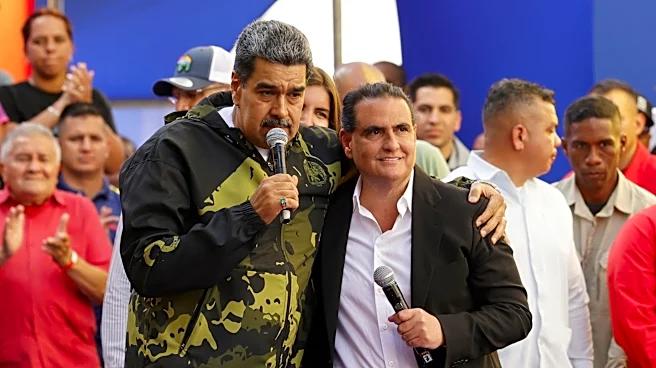
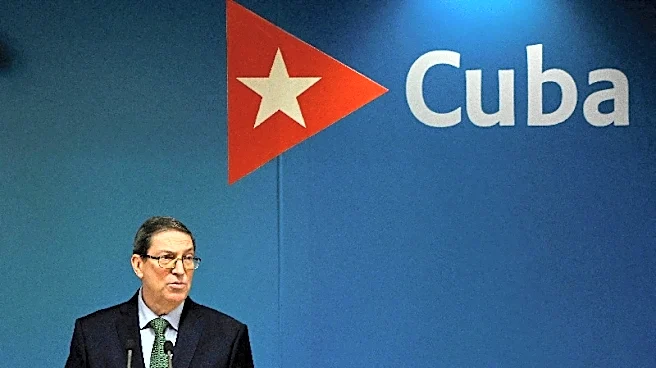
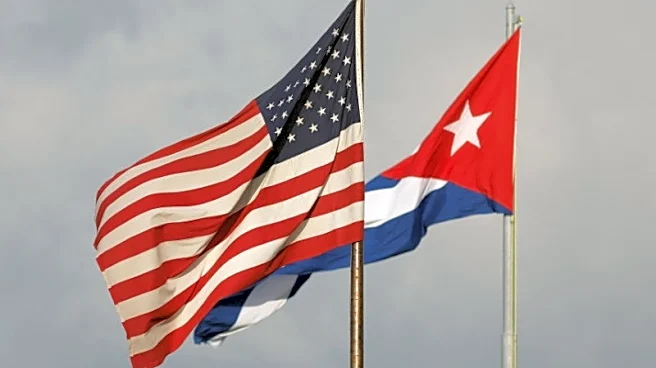
The administration of U.S. President Donald Trump is contemplating military intervention in Cuba due to the ineffectiveness of current sanctions. The strategy initially relied on a combination of tightened sanctions and U.S. military successes in Venezuela
and Iran to pressure Cuba into negotiations. However, the situation with Iran did not unfold as planned, and Cuba has shown resilience against the sanctions. The possibility of military action is now being considered more seriously as a means to influence Cuba's political stance.
Why It's Important?
This development highlights the escalating tensions between the U.S. and Cuba, potentially leading to significant geopolitical shifts in the region. Military action could have far-reaching consequences, affecting U.S. relations with other Latin American countries and potentially leading to international condemnation. The situation also reflects the broader U.S. foreign policy challenges in dealing with nations resistant to American influence.
What's Next?
If the U.S. decides to pursue military action, it could lead to increased tensions in the Western Hemisphere and strain diplomatic relations with allies and neighboring countries. The international community may respond with calls for restraint and dialogue. The U.S. administration will need to weigh the potential risks and benefits of such a move carefully.