



What's Happening?
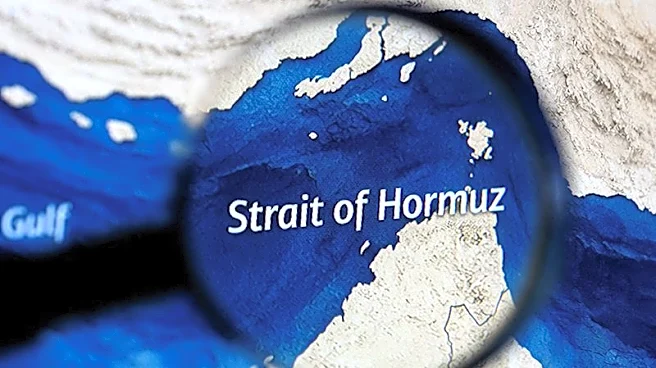
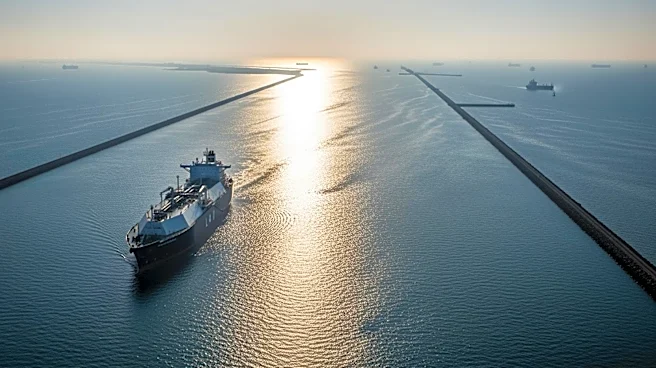
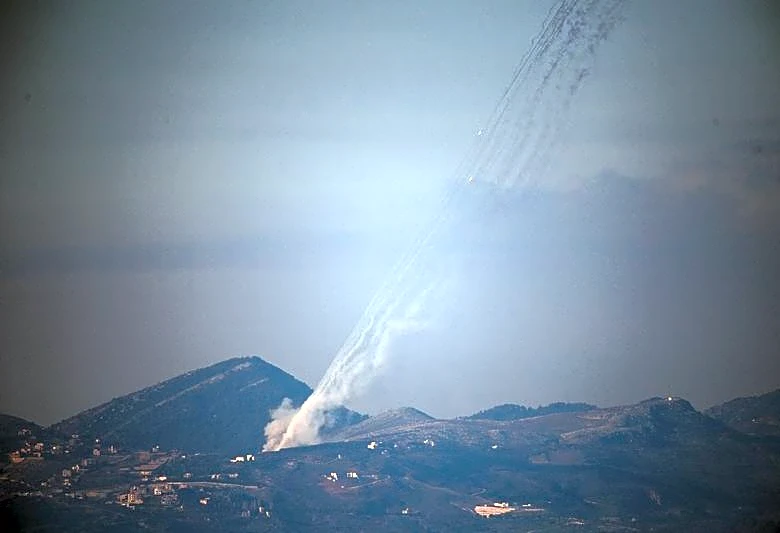
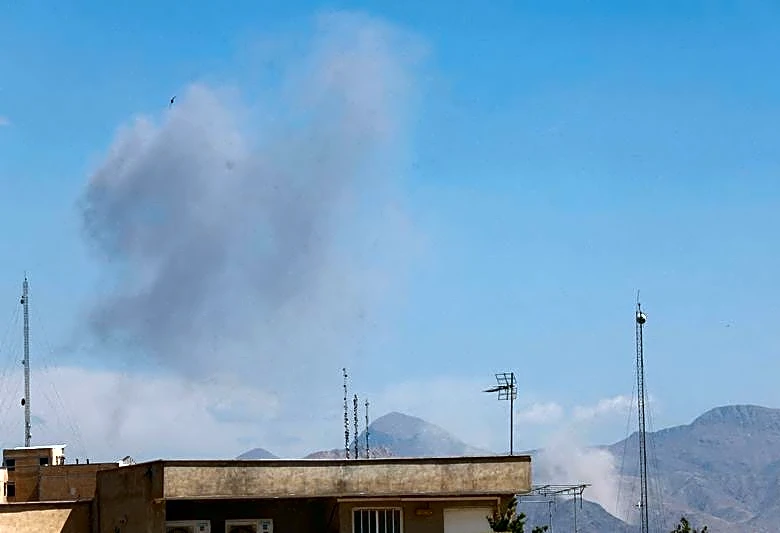
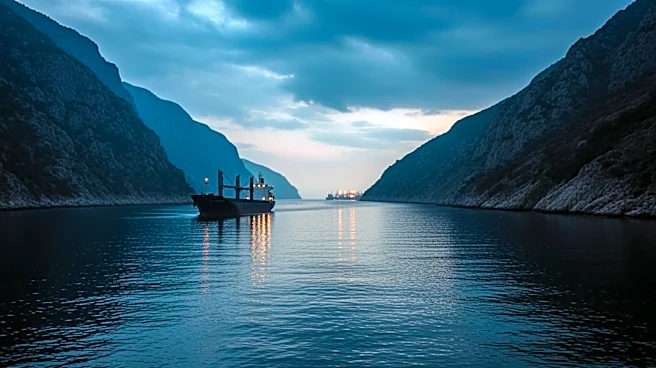
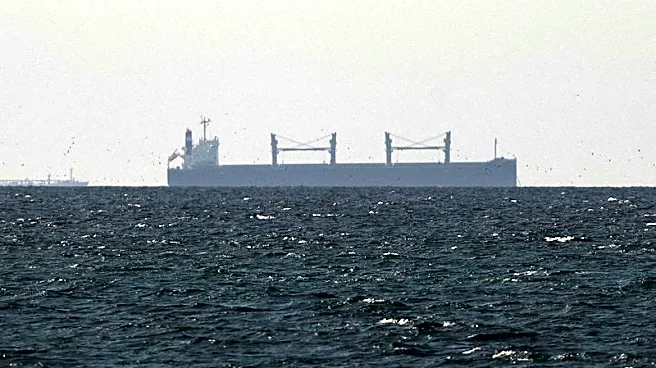
Iran has continued to block the passage of liquefied natural gas (LNG) carriers through the Strait of Hormuz, a critical chokepoint for global energy supplies. This blockade has persisted for weeks amid ongoing conflict involving the U.S. and Israel.
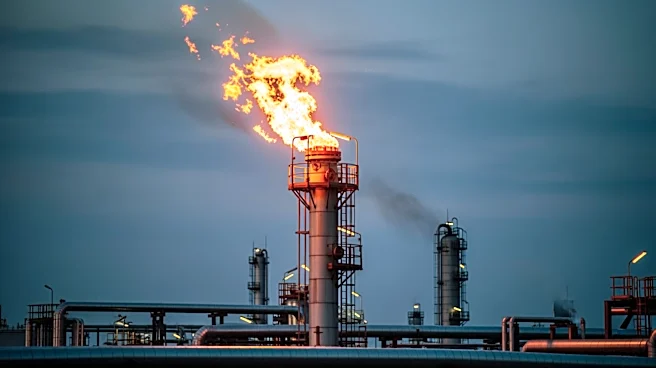
The restriction has left numerous LNG tankers idling in the Persian Gulf, unable to secure passage. The blockade has significantly reduced traffic through the strait, which is crucial for the transport of a fifth of the world's LNG supply. Qatar, a major LNG exporter, has been forced to shut down its Ras Laffan export plant due to Iranian attacks, further exacerbating the supply shortage. The situation has led to a scramble for alternative energy sources, with countries like Japan and Bangladesh reverting to coal, and Taiwan spending heavily on spot LNG cargoes.
Why It's Important?
The blockade of the Strait of Hormuz by Iran has significant implications for global energy markets, particularly in the context of LNG supply. The strait is a vital artery for energy exports, and its closure has turned a market that was facing potential oversupply into one grappling with shortages. This disruption has forced countries to seek alternative, often less environmentally friendly, energy sources, impacting global energy transition efforts. The situation underscores the geopolitical risks associated with energy supply routes and highlights the vulnerability of global energy markets to regional conflicts. The U.S. and other nations are likely to face increased pressure to secure energy supplies and stabilize markets.
What's Next?
The ongoing blockade is likely to prompt diplomatic and possibly military responses aimed at reopening the strait. The U.S. has emphasized the importance of freedom of navigation through Hormuz as a priority in any negotiations to end the conflict with Iran. The resolution of this blockade will be crucial for stabilizing global LNG markets and preventing further economic disruptions. Additionally, countries affected by the shortage may accelerate their efforts to diversify energy sources and reduce reliance on vulnerable supply routes.