




What's Happening?
U.S. Rep. Hal Rogers, alongside NASA Administrator Jared Isaacman and NASA astronaut Stephen Bowen, visited Morehead State University to emphasize the significance of its Space Science Center. The visit highlighted the university's collaboration with
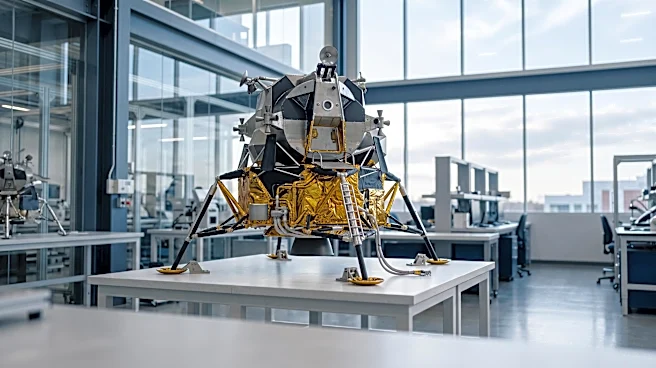
NASA in cultivating future scientists and engineers. During the event, Representative Rogers announced and presented $7.5 million in federal funding specifically allocated for Morehead State’s space science program. This funding aims to bolster the university's efforts in space exploration and research, providing students with opportunities to engage with hardware destined for lunar missions in the coming years. The NASA Administrator underscored that these student contributions are crucial for learning and developing future technologies for missions to the Moon and potentially Mars.
Why It's Important?
This federal funding is a significant investment in the future of U.S. space exploration and STEM education. By supporting Morehead State University's Space Science Center, the initiative directly contributes to developing a skilled workforce capable of advancing NASA's ambitious goals, including lunar and Martian missions. The partnership between NASA and academic institutions like Morehead State is vital for fostering innovation and ensuring a pipeline of talent in critical scientific and engineering fields. This funding not only provides resources for cutting-edge research and development but also inspires the next generation of scientists and engineers, potentially leading to breakthroughs in space technology and exploration. It also underscores the role of federal representatives in securing resources for regional educational and technological advancements, impacting local economies and national scientific capabilities.
What's Next?
The $7.5 million federal funding is expected to be utilized by Morehead State University to further enhance its Space Science Center, potentially expanding research facilities, acquiring new equipment, and supporting student projects. This investment will likely lead to increased opportunities for students to participate in hands-on development of space-bound hardware, directly contributing to NASA's upcoming missions. The continued collaboration between Morehead State and NASA is anticipated to strengthen, potentially leading to more joint projects and research initiatives. The success of this program could also serve as a model for other universities seeking to partner with federal agencies to advance scientific and technological education and research. The focus on preparing students for future space exploration suggests a long-term commitment to developing capabilities for missions to the Moon and Mars.
Beyond the Headlines
The allocation of federal funds to university space science programs like Morehead State's reflects a broader national strategy to maintain U.S. leadership in space exploration and technological innovation. Beyond the immediate scientific and educational benefits, such investments have profound implications for national security, economic competitiveness, and inspiring public interest in science. By engaging students directly in the development of space hardware, the program addresses the critical need for practical experience in STEM fields, bridging the gap between academic learning and real-world application. This initiative also highlights the decentralized nature of scientific advancement, demonstrating that significant contributions to national goals can originate from regional institutions, fostering a more inclusive and diverse scientific community. The emphasis on learning from non-human-rated missions also points to an evolving, iterative approach to space exploration, prioritizing continuous learning and adaptation.