





What's Happening?
Catholic Charities of New York reports that hundreds of New Yorkers have been referred to the Staff Sgt. Alex R. Jimenez NYS Military Immigrant Family Legacy Program since May 2025. This program, which became law in 2024, operates under New York’s Office
for New Americans and aims to support service members and their families with immigration and related needs. The program utilizes the New Americans Hotline to identify active service members, veterans, or military family members and directs them to immigration assistance. Callers can receive referrals for citizenship and other immigration matters, with more complex cases handled by the Volunteer Lawyers Project. According to Lisa Flores of Catholic Charities, approximately 50,000 active-duty service members in the U.S. are not citizens. The Associated Press reported that over 50 spouses and parents of active-duty service members have been detained in an immigration crackdown. Additionally, Representative Chrissy Houlahan’s office and Senator Elizabeth Warren’s office stated that data from the Department of Homeland Security indicated attempts to deport hundreds of veterans and family members, including those who had applied for Military Parole in Place, a benefit designed to allow certain family members of service members to remain in the country while seeking legal status.
Why It's Important?
This program is crucial for addressing the complex immigration challenges faced by military families in New York, highlighting a broader national issue where non-citizen service members and their relatives are vulnerable to deportation. The existence of the Military Parole in Place benefit underscores a federal recognition of the unique circumstances of military families, yet reports of detentions and attempted deportations suggest inconsistencies or challenges in its application. The program's success in New York could serve as a model for other states, emphasizing the need for dedicated resources and legal aid for this specific population. The involvement of federal enforcement in detaining military family members raises concerns about the stability and well-being of those serving the country, potentially impacting military morale and recruitment. The unresolved concern among advocates that applying for parole in place could attract immigration enforcement attention further complicates the situation for these families, creating a dilemma between seeking legal status and avoiding potential adverse actions.
What's Next?
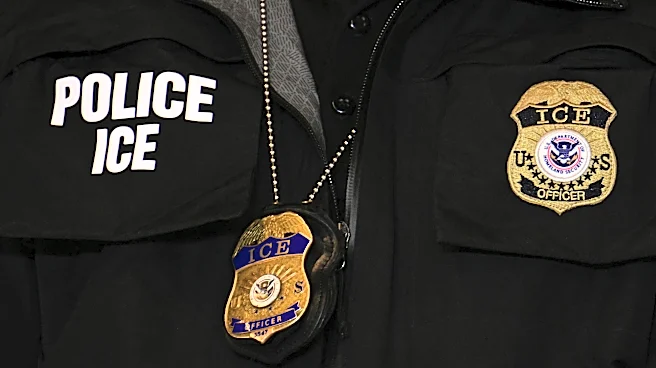
The program will continue to provide referrals and legal assistance to immigrant military families in New York. The ongoing concerns regarding federal enforcement actions and the potential for deportation of military family members suggest that advocacy efforts will likely persist to ensure the effective implementation and protection of benefits like Military Parole in Place. Further scrutiny of the Department of Homeland Security's practices concerning military families is anticipated, potentially leading to calls for policy clarifications or legislative action at the federal level. The effectiveness of the New York program may also prompt other states to consider similar initiatives to support their immigrant military populations. The debate surrounding the balance between immigration enforcement and support for military families is expected to remain a significant public policy issue.
Beyond the Headlines
The situation highlights a fundamental tension between immigration enforcement policies and the recognition of military service. The fact that non-citizen individuals serve in the U.S. military, often with their families facing precarious immigration statuses, presents a unique ethical and legal dilemma. The program in New York, while providing vital assistance, also underscores systemic issues where individuals dedicated to serving the U.S. may still face the threat of family separation or deportation. This raises questions about national values, the definition of citizenship, and the responsibilities owed to those who contribute to national defense. The fear among some families that seeking legal protection might expose them to enforcement actions reveals a deep-seated distrust in the system, which could have long-term implications for immigrant communities' engagement with government services and legal pathways.