

What's Happening?
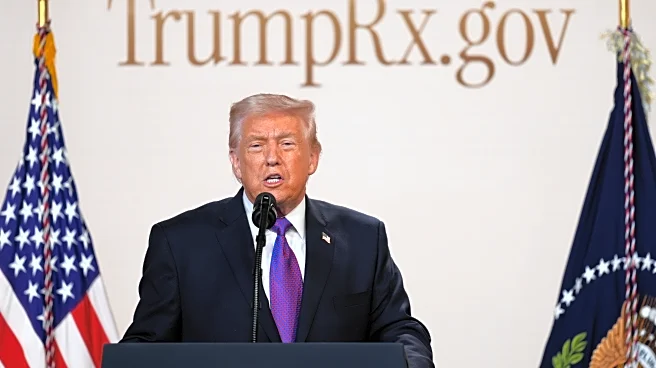
President Trump recently unveiled what he termed 'The Great Healthcare Plan,' which has been criticized for lacking substantive details and failing to present a comprehensive strategy. The plan, summarized in a brief online document, primarily reiterates
previous ideas without offering new legislative guidance. The White House's approach has been met with skepticism on Capitol Hill, with lawmakers expressing doubts about its potential to address the high costs of healthcare effectively. The plan's release comes amid rising healthcare costs, particularly affecting those reliant on the Affordable Care Act, as temporary subsidy boosts have expired. Despite the administration's claims of reform, the plan has been perceived as more of a publicity effort than a genuine legislative initiative.
Why It's Important?
The unveiling of President Trump's healthcare plan is significant as it highlights ongoing challenges in U.S. healthcare policy, particularly the struggle to manage rising costs and provide affordable coverage. The lack of detailed proposals in the plan suggests a missed opportunity to address these issues comprehensively. This development is crucial for millions of Americans facing increased premiums and out-of-pocket expenses. The plan's reception also underscores the political complexities of healthcare reform, with bipartisan negotiations in Congress stalling. The administration's approach may impact public perception and influence upcoming elections, as healthcare remains a top concern for voters.
What's Next?
The future of healthcare reform under President Trump's administration remains uncertain. With the plan receiving lukewarm responses, it is unclear whether further legislative efforts will be pursued. The administration may need to engage more actively with Congress to develop a viable solution that addresses the concerns of both parties. Additionally, the ongoing bipartisan talks in Congress could lead to alternative proposals, potentially influencing the administration's strategy. Stakeholders, including healthcare providers and insurers, will likely continue to advocate for policies that ensure affordability and access, while political leaders may face pressure from constituents to deliver tangible results.