




What's Happening?
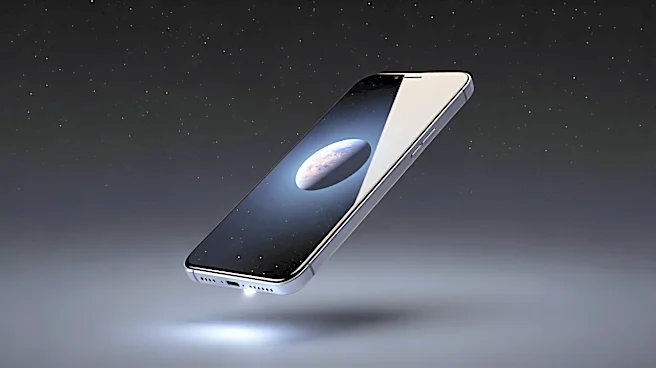
NASA's Artemis 2 mission, which recently completed a flyby of the moon, has seen its astronauts using iPhone 17 devices to capture significant moments of their journey. The crew, consisting of NASA astronauts Reid Wiseman, Victor Glover, Christina Koch,
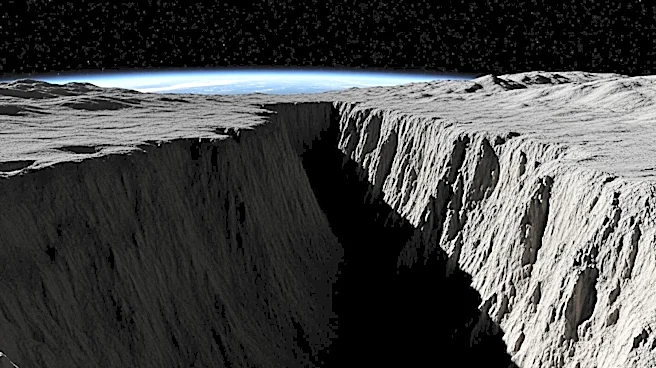
and Canadian astronaut Jeremy Hansen, utilized these smartphones to take photos of Earth and the moon. This marks a shift from traditional space photography equipment to more modern, consumer-grade technology. The decision to allow smartphones on board was made by NASA Administrator Jared Isaacman, who emphasized the importance of capturing personal moments and sharing them with the world. The mission, which broke the record for the farthest human spaceflight, highlights the evolving nature of space exploration and the integration of everyday technology in capturing space history.
Why It's Important?
The use of iPhones by astronauts on the Artemis 2 mission signifies a broader trend of integrating consumer technology into space missions. This approach not only allows for more personal documentation of space travel but also demonstrates the reliability and versatility of modern smartphones in extreme environments. The decision to use iPhones reflects NASA's willingness to adapt and innovate, potentially paving the way for more accessible and relatable space exploration experiences for the public. This could enhance public interest and engagement in space missions, as people can relate to the technology being used. Additionally, it underscores the importance of capturing and sharing space exploration milestones with a global audience, fostering a sense of connection and inspiration.
What's Next?
As the Artemis 2 mission concludes, the successful use of iPhones may influence future NASA missions to incorporate similar technology. This could lead to more astronauts using smartphones for documentation, potentially changing how space missions are recorded and shared with the public. The mission's success also sets the stage for future Artemis missions, including the planned Artemis 3 mission, which aims to land astronauts on the lunar surface. The integration of consumer technology in space exploration could also inspire further innovations in how space missions are conducted and documented, potentially leading to new opportunities for collaboration between space agencies and technology companies.