



What's Happening?
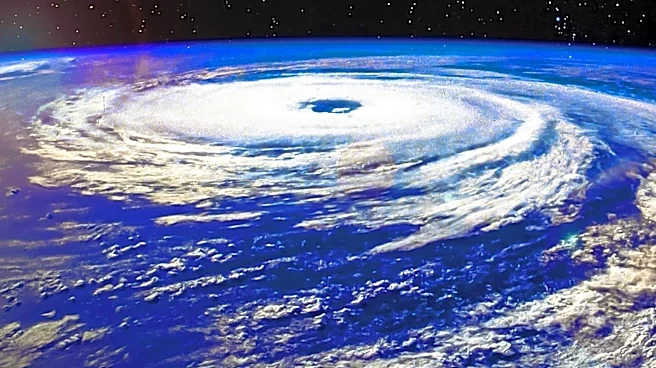
A new study suggests that artificially brightening clouds over the Pacific Ocean could potentially weaken the effects of El Nino, a climate phenomenon known for causing extreme weather patterns globally. The research, published in Science Advances, explores
the use of geoengineering techniques to mitigate the impacts of El Nino by spraying sea salt into the atmosphere to increase cloud reflectivity. While the study shows promise in reducing temperature and precipitation anomalies associated with El Nino, it also highlights significant technical and ethical challenges, including the readiness of the technology and potential unintended consequences.
Why It's Important?
The proposal to use geoengineering to mitigate El Nino effects is significant as it represents a potential tool in the fight against climate change. El Nino events have historically caused substantial economic and environmental damage worldwide, affecting agriculture, water resources, and ecosystems. However, the approach raises ethical concerns about the manipulation of natural systems and the potential for unforeseen impacts on global weather patterns. The debate over geoengineering also touches on broader issues of climate justice and the responsibility of developed nations to address climate change without exacerbating inequalities.
What's Next?
Further research and development are needed to assess the feasibility and safety of geoengineering techniques like cloud brightening. This includes addressing technical challenges, such as developing effective sea salt spraying technology and understanding the long-term impacts of such interventions. Policymakers and scientists will need to engage in discussions about the governance of geoengineering, considering both the potential benefits and risks. International cooperation and regulation may be necessary to ensure that any deployment of geoengineering technologies is conducted responsibly and equitably.