








What's Happening?
Oil prices have fallen as optimism grows over U.S.-Iran talks, which have eased concerns about oil supply disruptions. President Trump indicated that recent meetings in Qatar with Iran were positive, contributing to the decline in oil prices. Brent crude
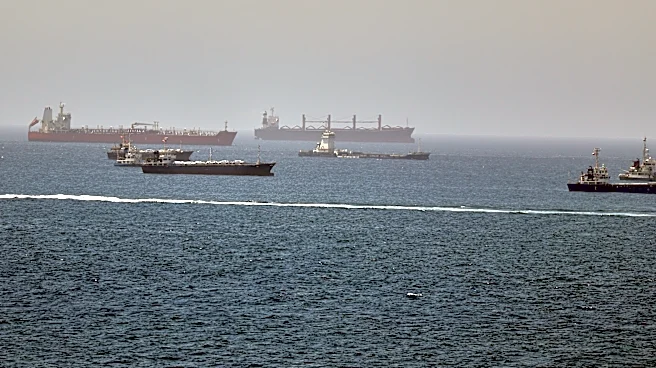
futures dropped to $72.00 a barrel, while U.S. West Texas Intermediate crude fell to $68.96 a barrel. The talks aim to secure a lasting ceasefire and ensure the flow of shipping through the Strait of Hormuz. The decline in oil prices follows a significant drop in the second quarter, the largest since the 2008 financial crisis, due to progress in resolving Middle East conflicts.
Why It's Important?
The decrease in oil prices is crucial for global markets, as it reflects easing tensions in the Middle East, particularly concerning the Strait of Hormuz, a vital oil transit route. Lower oil prices can benefit consumers and industries reliant on oil, potentially reducing inflationary pressures. However, it also poses challenges for oil-producing countries, which may face reduced revenues. The progress in U.S.-Iran talks could lead to more stable geopolitical conditions, impacting global energy markets and international relations. The situation underscores the interconnectedness of geopolitical events and global economic stability.
What's Next?
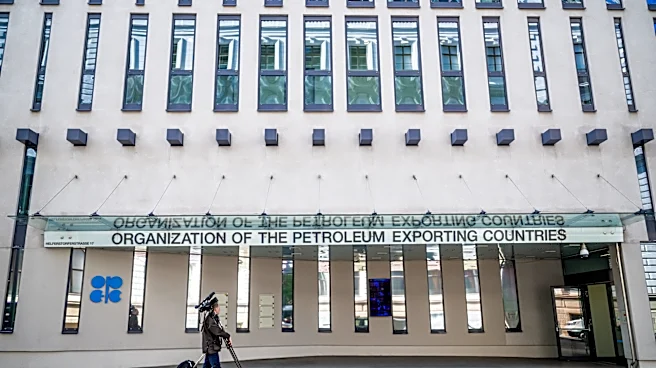
OPEC+ countries are expected to meet soon to discuss potential increases in oil output targets, which could further influence oil prices. The market will also be watching for official U.S. oil stock data from the Energy Information Administration, which could provide additional insights into supply dynamics. Continued diplomatic efforts between the U.S. and Iran will be crucial in maintaining stability in the region and ensuring the free flow of oil through the Strait of Hormuz.