



What's Happening?
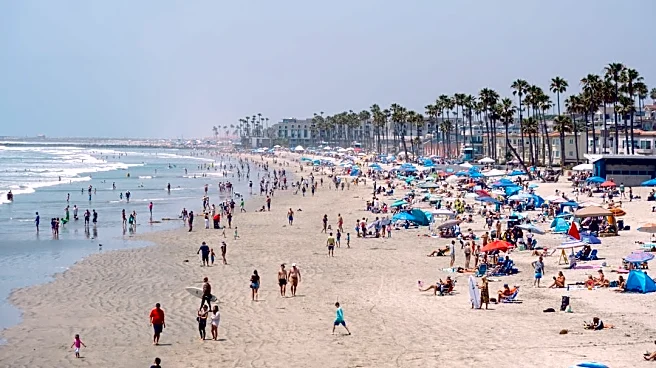
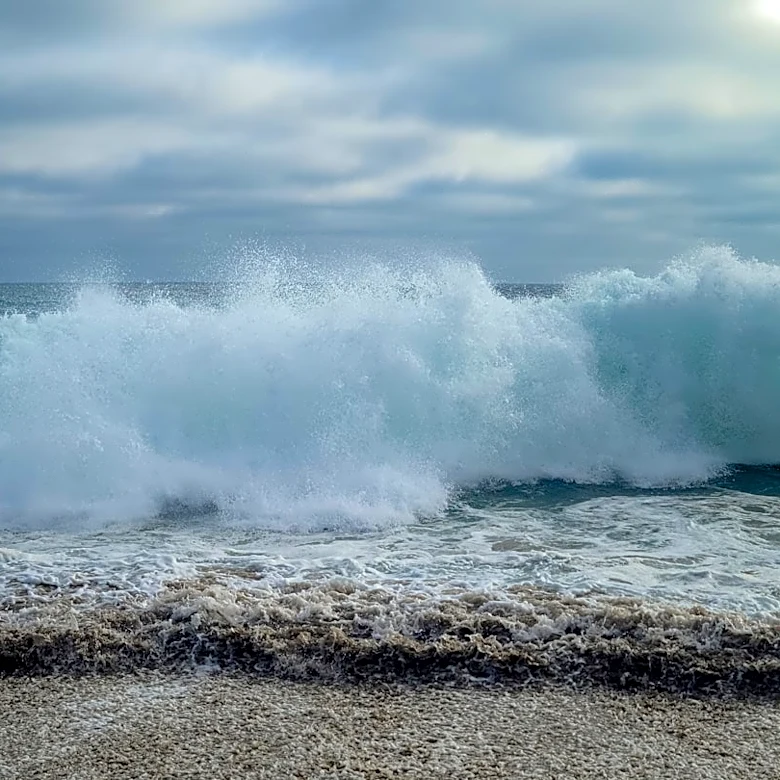
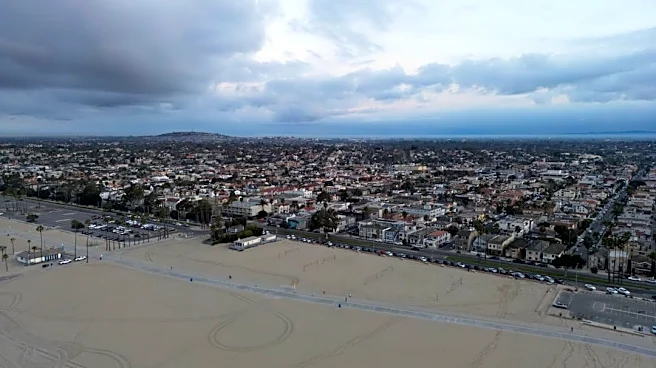
Residents and cleanup crews in Seal Beach, California, are actively working to clear debris and prepare for further flooding after high surf breached sand berms over the weekend, sending ocean water onto the boardwalk. Some residents reported knee-deep
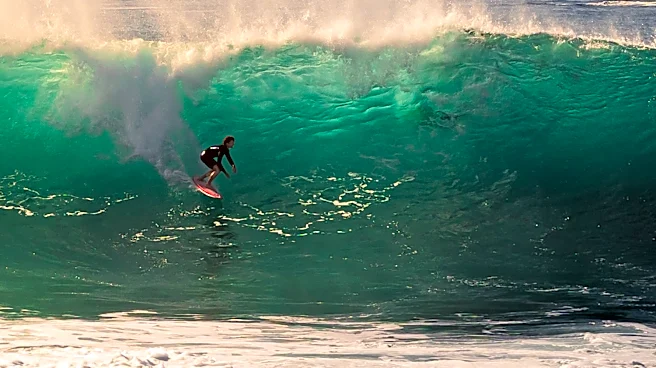
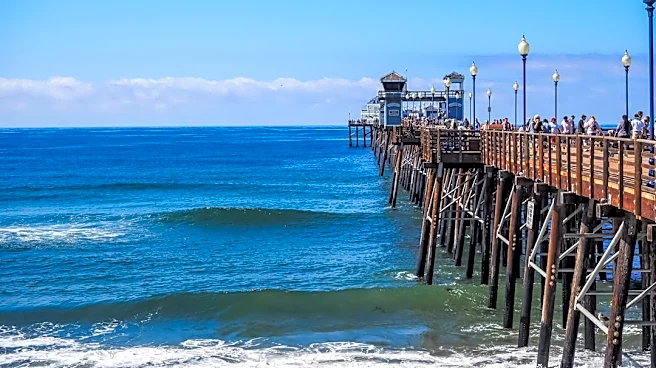
water in their garages. Despite warnings, the beach and pier have attracted crowds drawn to the large waves. Seal Beach resident Jon Cockrill, who has lived behind the strand for 33 years, is using sandbags and boards to protect his property, anticipating that higher tides combined with continued high surf will likely cause the berms to be breached again. Public Works crews have been pumping water and clearing clogged storm drains, while additional cleanup teams are removing accumulated trash. The National Weather Service has issued a Coastal Flood Advisory and a High Surf Advisory until Tuesday evening, forecasting waves between four and seven feet, with sets up to 10 feet.
Why It's Important?
This ongoing flooding in Seal Beach underscores the increasing vulnerability of coastal communities to extreme weather events and rising sea levels. The repeated breaching of sand berms highlights the limitations of existing protective measures and the urgent need for more robust coastal defense strategies. For residents, the constant threat of flooding translates into significant property damage, financial strain, and emotional distress. Businesses along the boardwalk and nearby areas face disruptions, potential losses, and increased operational costs due to cleanup and preventative measures. The incident also raises public safety concerns, as large waves and flooded areas can be hazardous, despite attracting spectators. The need for effective urban planning, resilient infrastructure, and community preparedness becomes paramount as these events are projected to become more frequent and intense, impacting property values, insurance rates, and the overall quality of life in coastal regions.
What's Next?
Seal Beach residents and city crews will continue their cleanup efforts and reinforce protective measures in anticipation of further high surf and potential flooding as the Coastal Flood Advisory and High Surf Advisory remain in effect until Tuesday evening. The immediate focus will be on managing the current threat and minimizing damage. In the longer term, the repeated breaches of sand berms may prompt a re-evaluation of the city's coastal protection infrastructure and strategies. This could include investments in more permanent sea defenses, beach nourishment projects, or updated zoning regulations for vulnerable areas. Community discussions are likely to emerge regarding the balance between enjoying coastal living and adapting to the growing risks posed by climate change and extreme weather. The city may also explore enhanced early warning systems and public education campaigns to ensure residents are better prepared for future events.
Beyond the Headlines
The situation in Seal Beach reflects a broader national challenge for coastal communities grappling with the impacts of climate change. The allure of beachfront living is increasingly juxtaposed with the reality of environmental risks, leading to complex questions about sustainability and adaptation. This event highlights the tension between human development and natural processes, particularly in dynamic coastal zones. It could trigger deeper conversations about the economic feasibility of continually rebuilding and protecting vulnerable areas versus strategic retreat or managed realignment. Furthermore, the incident may influence insurance markets, property values, and local governance, as communities are forced to confront the long-term implications of a changing climate. The experience of Seal Beach serves as a microcosm for the difficult decisions many U.S. coastal towns will face in the coming decades regarding resilience, infrastructure, and community planning.