





What's Happening?
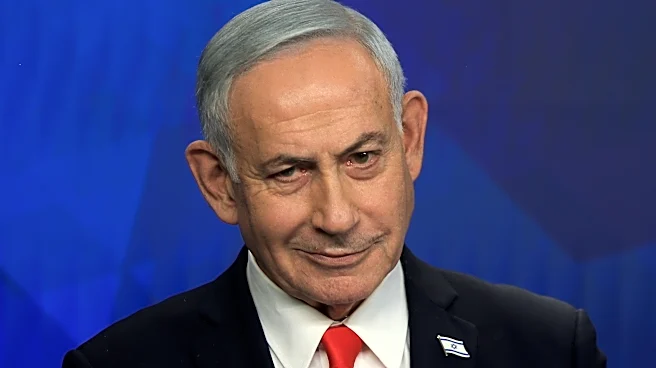
Likud Member of Knesset (MK) Dan Illouz has publicly called for an end to the political alliance between his party and the haredi (ultra-Orthodox) parties in Israel. This statement comes amid tensions over controversial legislation being pushed by the haredi parties,
which are part of Prime Minister Benjamin Netanyahu's ruling coalition. The contentious bills include one that seeks to enshrine Torah study in Israel's Basic Law, effectively encouraging draft evasion among yeshiva students, and another that changes daycare subsidy eligibility to be based solely on a mother's income. These legislative moves have sparked criticism, with Illouz arguing that they pose a danger to Israel's future by potentially undermining the military's manpower and the economy. The haredi parties have threatened to halt their voting with the coalition unless progress is made on these bills, causing delays in other legislative processes.
Why It's Important?
The call by MK Illouz to sever ties with the haredi parties highlights significant internal divisions within Israel's ruling coalition. The proposed legislation has broader implications for Israeli society, particularly concerning military service and economic sustainability. The haredi community's exemption from military service has long been a contentious issue, and the proposed bills could exacerbate tensions by formalizing these exemptions. This situation could lead to a reevaluation of coalition dynamics and influence future political alignments. The outcome of this dispute may affect Israel's military readiness and economic policies, impacting both national security and social equity. Illouz's stance reflects a growing sentiment among some Likud members who prioritize military service and economic contribution over maintaining traditional political alliances.
What's Next?
As the political landscape in Israel evolves, the Likud party may seek new alliances to replace the haredi partnership. The upcoming elections and Likud primaries could serve as a platform for reshaping the party's strategy and leadership. Prime Minister Netanyahu's reported interest in altering the primary process to gain more control over candidate selection suggests potential shifts in party dynamics. The resolution of the legislative disputes and the future of the Likud-haredi alliance will likely influence Israel's political stability and policy direction. Stakeholders, including military leaders, economic analysts, and civil society groups, will be closely monitoring these developments.