
What's Happening?
Fondazione Telethon, an Italian non-profit organization, and Orphan Therapeutics Accelerator (OTXL), a U.S.-based non-profit biotech, have signed a Memorandum of Understanding (MoU) to facilitate the U.S. commercial
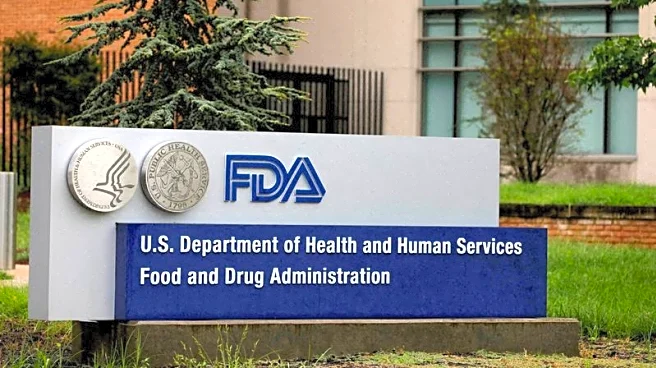
access to a newly approved gene therapy for Wiskott-Aldrich syndrome. This rare genetic disorder affects the immune system and is primarily found in males. The therapy, developed by Fondazione Telethon, has received approval from the U.S. Food and Drug Administration (FDA). The collaboration aims to establish a sustainable access model for this therapy, marking the first time a gene therapy will be commercialized through a purely non-profit partnership. The agreement designates Orphan Therapies, a subsidiary of OTXL, as the exclusive commercialization partner in the U.S., while Fondazione Telethon retains the Biologics License Application (BLA).
Why It's Important?
This partnership represents a significant shift in how treatments for ultra-rare diseases are brought to market. Traditional for-profit companies often overlook these therapies due to the small patient populations and high costs involved. By adopting a non-profit model, Fondazione Telethon and OTXL aim to ensure that patients with rare conditions like Wiskott-Aldrich syndrome have access to life-saving treatments. This approach could pave the way for similar models in the future, potentially transforming the landscape of rare disease treatment by prioritizing patient access over profit. The collaboration also highlights the potential for international partnerships to address gaps in healthcare access, particularly for conditions that lack commercial interest.
What's Next?
The next steps involve finalizing the distribution and logistics arrangements to ensure the therapy reaches patients in the U.S. OTXL plans to leverage its infrastructure to manage a network of specialty distributors and treatment centers. Additionally, comprehensive patient services and support programs will be established to facilitate access and provide necessary assistance. The success of this model could encourage other non-profit organizations to explore similar collaborations, potentially leading to increased availability of treatments for other rare diseases. Stakeholders in the healthcare industry will likely monitor this development closely, as it may influence future strategies for addressing unmet medical needs.