


What's Happening?
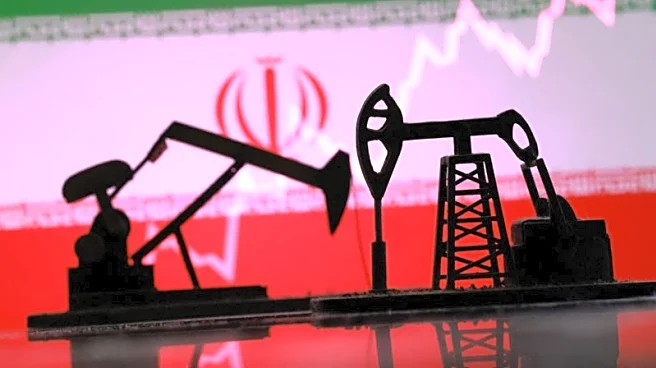
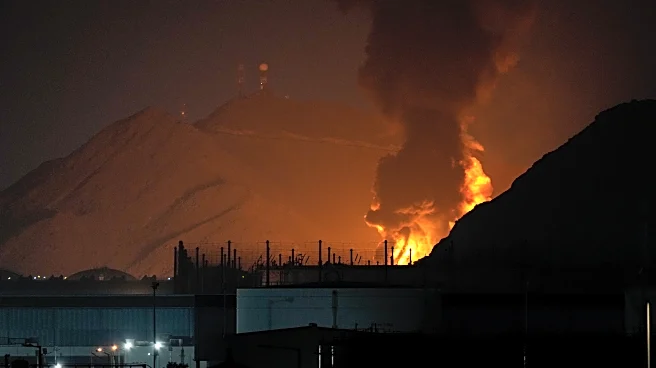
Recent conflicts in the Middle East have significantly impacted energy infrastructure, with strikes affecting facilities in Bahrain, Kuwait, Qatar, Saudi Arabia, and the UAE. Notably, Qatar's Ras Laffan LNG facility, the largest in the world, has been
hit, leading to a shutdown in production. This disruption has caused a significant rise in natural gas prices, with Europe experiencing a 60% increase since the conflict began. The U.S., now the largest LNG exporter, is unable to quickly compensate for the lost supplies from the Persian Gulf due to limited spare capacity. The situation is reminiscent of the energy disruptions following Russia's invasion of Ukraine in 2022.
Why It's Important?
The disruption in LNG supply from the Middle East is critical as it highlights the vulnerability of global energy markets to geopolitical conflicts. Europe, already facing low natural gas storage levels, is particularly affected, with potential economic repercussions for industries reliant on energy. The U.S. and other LNG producers like Australia and Malaysia may benefit from increased demand, but the lack of spare capacity limits their ability to fully capitalize on the situation. This event underscores the need for diversified energy sources and the potential for increased investment in renewable energy to mitigate such risks.
What's Next?
As the conflict continues, European countries may need to explore alternative energy sources or increase reliance on existing LNG suppliers. The U.S. and other LNG-exporting nations might see increased pressure to expand capacity. Additionally, the situation could prompt a reevaluation of energy security policies in Europe and other affected regions. The ongoing conflict may also lead to further volatility in global energy markets, affecting prices and supply chains worldwide.