


What's Happening?
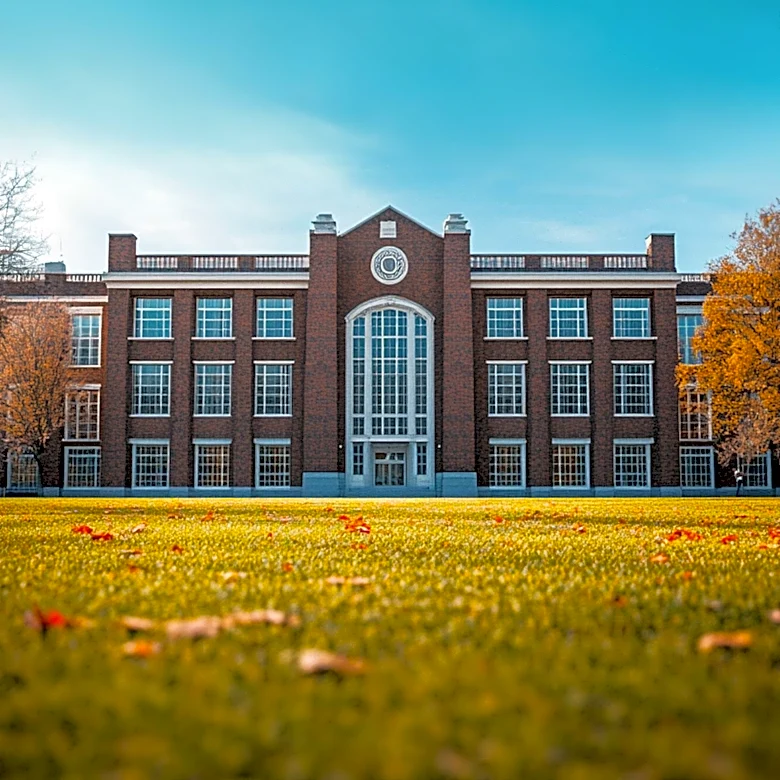
Northwest Missouri State University has once again been listed among the top regional universities in the Midwest by U.S. News and World Report. For the third time in four years, the institution secured a spot in the top 25 public regional universities,
climbing to No. 22 from No. 30 the previous year. Overall, among all regional universities in the Midwest, Northwest Missouri State University is ranked No. 78. The university also earned recognition as No. 35 among regional universities in the Midwest and third among Missouri public institutions on U.S. News’s list of 'Best Colleges for Veterans.' U.S. News evaluated nearly 1,700 U.S. colleges and universities, assessing academic quality and graduate outcomes, with rankings based on overall scores derived from weighted indicators. Regional universities are defined as those offering a broad scope of undergraduate and some master’s degree programs, with few to no doctoral programs. The Midwest region encompasses public and private universities across Illinois, Indiana, Iowa, Kansas, Michigan, Minnesota, Nebraska, North Dakota, Ohio, South Dakota, Wisconsin, and Missouri.
Why It's Important?
This consistent recognition by U.S. News and World Report underscores Northwest Missouri State University's commitment to academic excellence and student success, which is vital for prospective students and their families seeking quality higher education. The university's emphasis on profession-based learning, competitive tuition rates, and generous financial assistance directly addresses the growing concern over college affordability and graduate employability. By providing practical experiences in various fields, such as the Horace Mann Laboratory School, National Public Radio affiliate KXCV, and a partnership with the National Geospatial-Intelligence Agency, the university helps graduates secure employment or continue their education, boasting a nearly 100 percent success rate within six months of graduation. This focus on career readiness and financial accessibility makes higher education more attainable and valuable, contributing to a skilled workforce and reducing student debt burdens, which are significant issues in the U.S. education landscape.
What's Next?
Northwest Missouri State University is expected to continue its focus on enhancing profession-based learning opportunities and maintaining competitive tuition rates to attract and retain students. The university's ongoing efforts to provide diverse on-campus experiences, including its annual Missouri Hope mass casualty training exercise, will likely further solidify its reputation for practical education and community engagement. Future rankings from U.S. News and World Report will be closely watched to see if the university can sustain or improve its position, which could influence enrollment numbers and funding opportunities. The institution's commitment to supporting veterans, as evidenced by its high ranking in that category, suggests continued dedication to military-affiliated students, potentially leading to further specialized programs or support services. The university's model of including textbooks and a laptop in tuition, saving students an estimated $6,900 over four years, may also serve as a benchmark for other institutions looking to alleviate financial pressures on students.
Beyond the Headlines
The sustained high ranking of Northwest Missouri State University highlights a broader trend in higher education where institutions are increasingly being judged not just on academic rigor but also on their ability to provide tangible career outcomes and financial value. This shift reflects a growing demand from students and parents for a clear return on investment in education. The university's success in integrating profession-based learning across nearly every area of study, from agriculture to digital marketing, demonstrates an adaptive approach to curriculum development that aligns with evolving job market needs. Furthermore, its designation as a Military Friendly School and high ranking for veterans underscore a societal recognition of the importance of supporting those who have served, ensuring they have access to quality education and career pathways. This model could influence national discussions on higher education reform, emphasizing practical skills, affordability, and specialized support for diverse student populations.