
What's Happening?
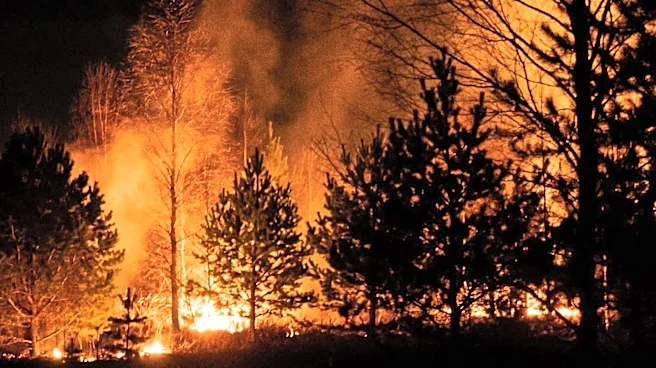
Utah has experienced a record-breaking year for wildfires, with over 474,000 acres burned so far in 2026, according to researchers from the University of Utah. This year has seen a significant increase in the burning of woodland and forested areas, surpassing
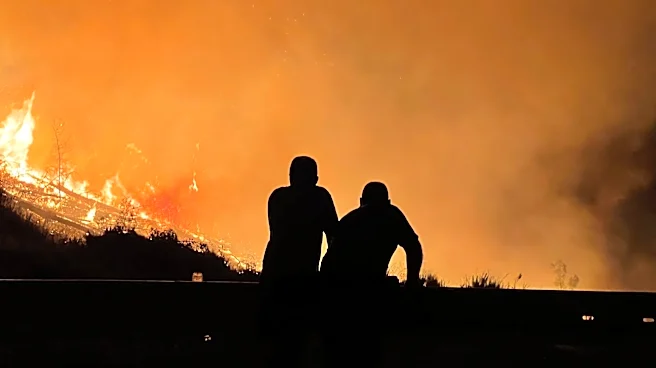
previous records. The Cottonwood and Babylon fires alone have burned over 204,000 acres in southern Utah. The surge in wildfires is attributed to the state's worst snowpack on record and severe drought conditions. Researchers highlight that this trend of increasing wildfires in Utah's forests and woodlands is concerning and unprecedented.
Why It's Important?
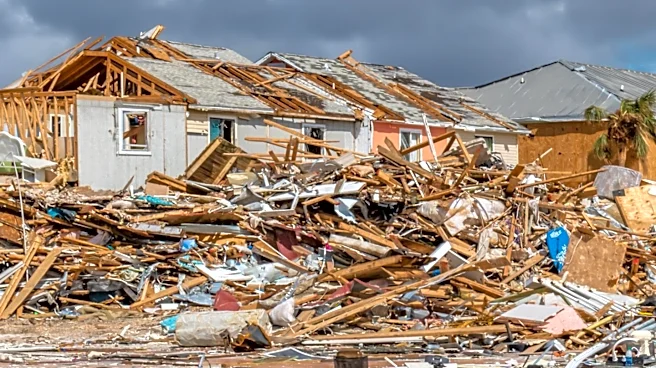
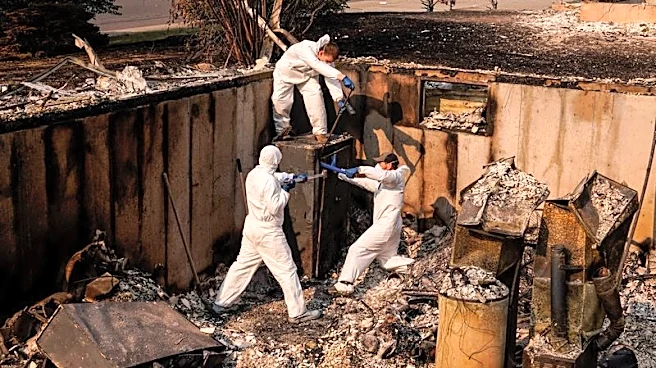
The increase in wildfires poses significant risks to public safety, the economy, and the environment. The destruction of woodland and forest areas impacts the timber industry and local economies, as seen with the damage to Eagle Point Resort. The fires also threaten public safety, with over 150 structures burned. The trend of increasing wildfires is linked to broader climate changes, including prolonged droughts and rising temperatures, which could lead to more frequent and severe fires in the future. This situation underscores the need for effective forest management and climate adaptation strategies.
What's Next?
As Utah continues to face severe drought conditions, the risk of further wildfires remains high. The state has implemented new laws to manage fire risks, but the effectiveness of these measures is yet to be seen. Researchers and policymakers are likely to focus on developing strategies to mitigate the impact of wildfires, including forest management and climate adaptation. The ongoing situation may also prompt discussions on the need for increased resources and support for firefighting efforts and community preparedness.