

What's Happening?
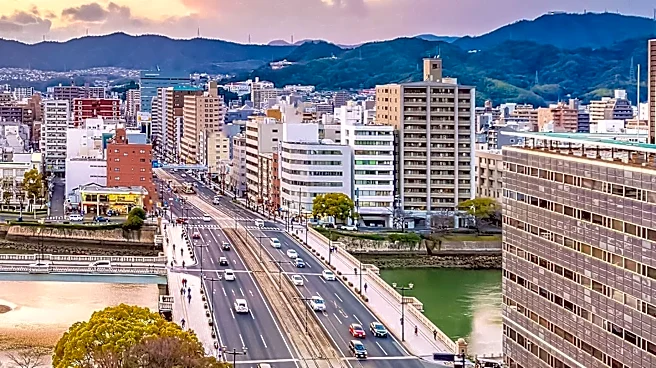
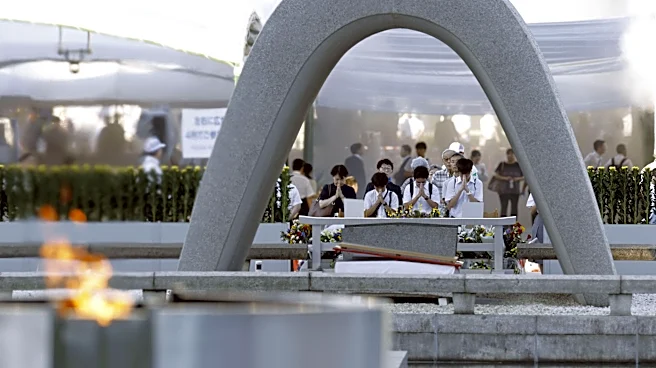
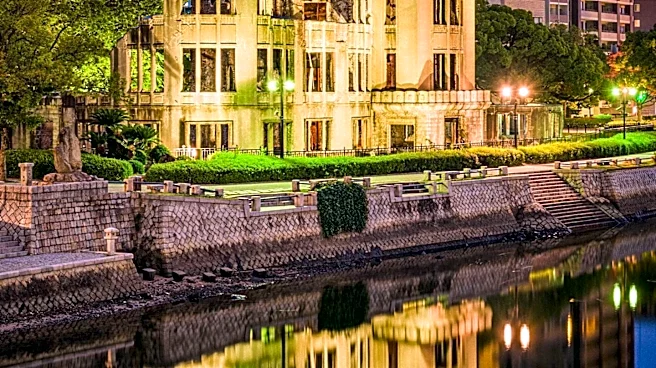
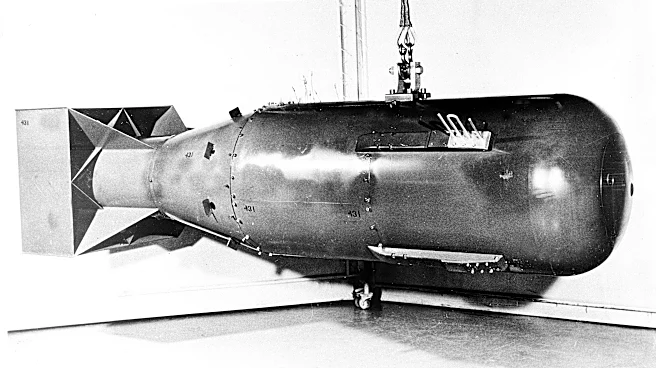
Hiroshima held its annual peace ceremony to mark the 81st anniversary of the atomic bombing, with people across Japan pausing to remember the victims. The ceremony included a moment of silence at 8:15 a.m., the exact time the bomb was dropped in 1945.
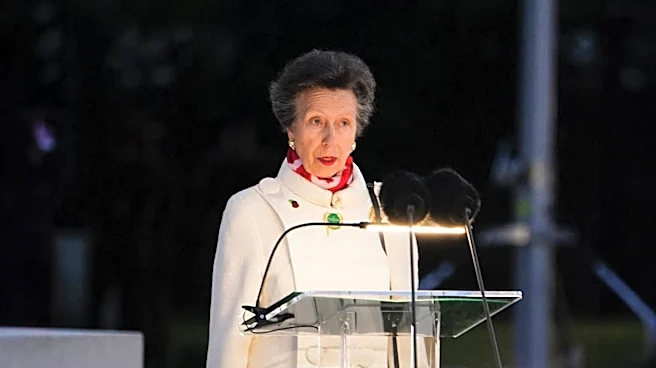
Prime Minister Takaichi Sanae and representatives from 121 countries attended the event. Hiroshima Mayor Matsui Kazumi called for the abolition of nuclear weapons, emphasizing the catastrophic consequences of their use. The ceremony highlighted the ongoing efforts of atomic bomb survivors, or hibakusha, to advocate for a world without nuclear weapons.
Why It's Important?
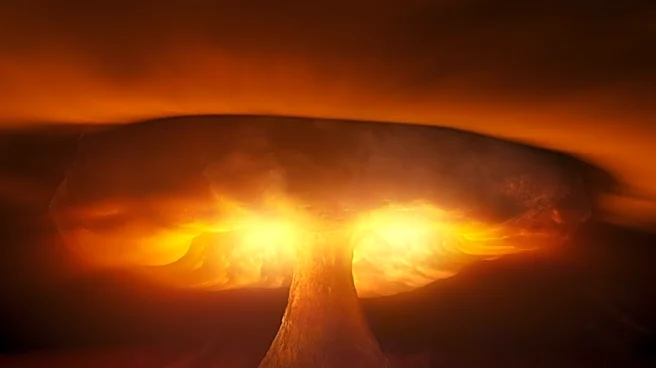
The commemoration of Hiroshima's atomic bombing serves as a poignant reminder of the devastating impact of nuclear weapons and the importance of disarmament. The event underscores Japan's unique position as the only nation to have suffered atomic bombings during war, reinforcing its commitment to nuclear non-proliferation. The ceremony also highlights the challenges faced by global disarmament efforts, particularly in light of the expiration of the New START treaty and ongoing geopolitical tensions. The voices of hibakusha and their calls for peace resonate globally, urging policymakers to prioritize disarmament and prevent future nuclear conflicts.
What's Next?
Japan is expected to continue its advocacy for nuclear disarmament on the international stage, leveraging its historical experience to influence global policy. The diminishing number of hibakusha underscores the urgency of preserving their testimonies and educating future generations about the horrors of nuclear warfare. The international community may face increased pressure to negotiate new arms control agreements and address the challenges posed by nuclear proliferation. The ceremony's emphasis on peace and disarmament could inspire renewed diplomatic efforts to achieve a world free of nuclear weapons.