






What's Happening?
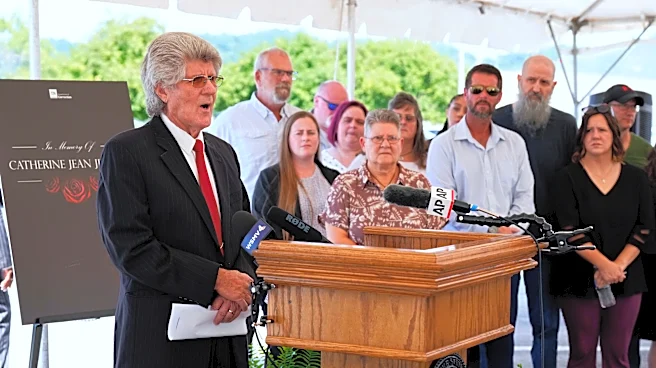
Governor Bill Lee of Tennessee has denied clemency for Darrell Hines, who is scheduled for execution despite concerns over the qualifications of the execution team following a botched execution attempt in May. Hines, convicted for the 1985 murder of Katherine
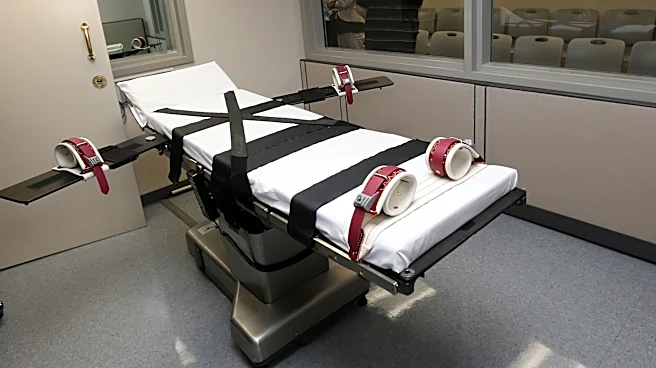
Jenkins, is set to be executed at Riverbend Maximum Security Institution. His attorneys have raised concerns about his medical condition and the qualifications of the execution team, particularly after a failed execution attempt of another inmate, Tony Carruthers, where the team struggled to establish IV access. The state has not confirmed whether the same physician involved in the previous failed execution will be part of Hines' execution team.
Why It's Important?
The denial of clemency for Darrell Hines highlights ongoing debates about the death penalty and execution protocols in the U.S. Concerns about the qualifications of execution teams and the potential for botched executions raise ethical and legal questions. The case underscores the need for transparency and oversight in execution procedures to prevent cruel and unusual punishment. The outcome of this case could influence public opinion and policy regarding capital punishment, particularly in states like Tennessee that continue to pursue executions despite controversies.
What's Next?
Hines' attorneys have appealed to the U.S. Supreme Court to intervene, arguing that his execution could result in unnecessary pain due to his medical condition and the execution team's qualifications. The court's decision could set a precedent for future cases involving execution protocols. Additionally, there may be increased pressure on Tennessee's government to review and possibly reform its execution procedures to ensure they meet legal and ethical standards.